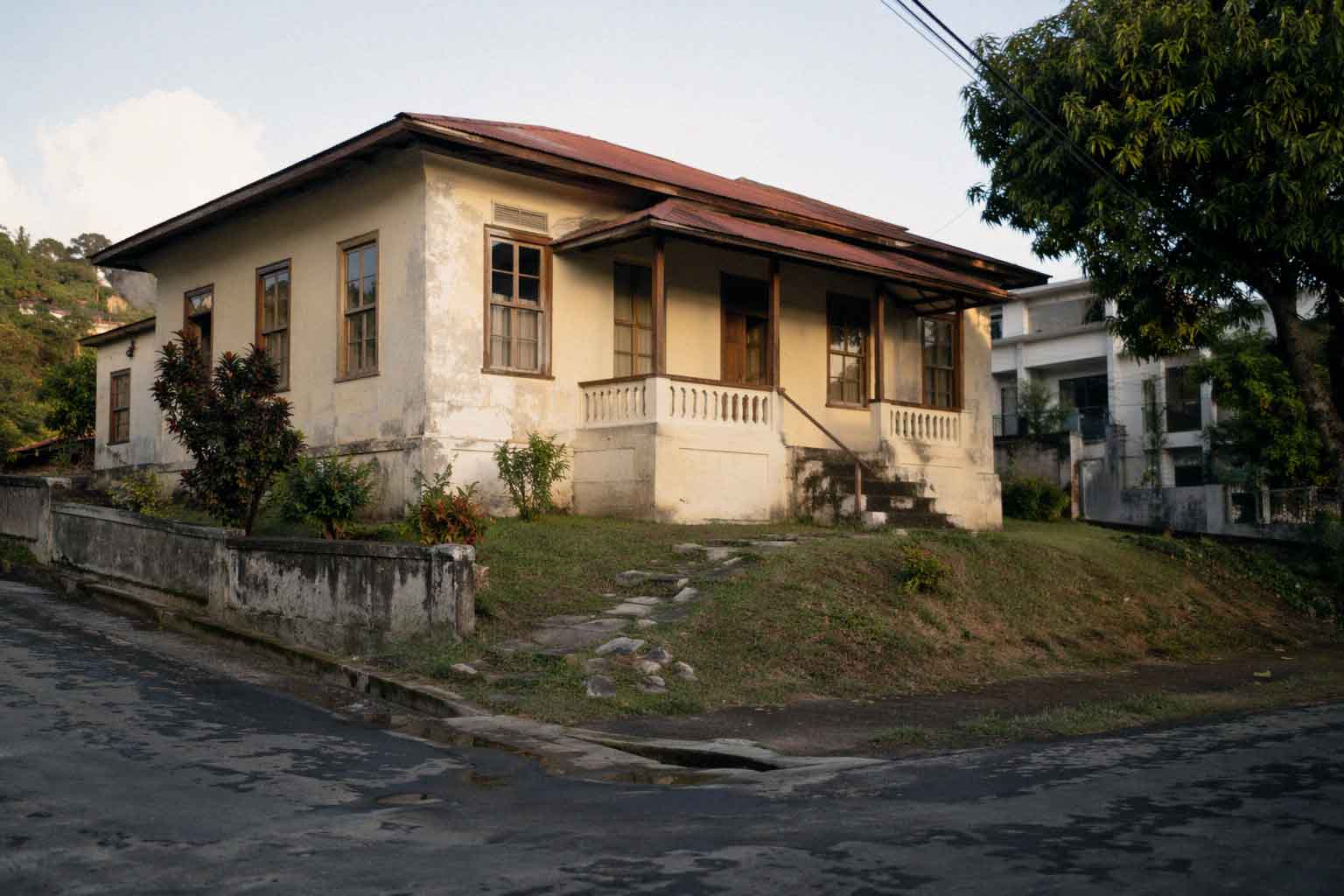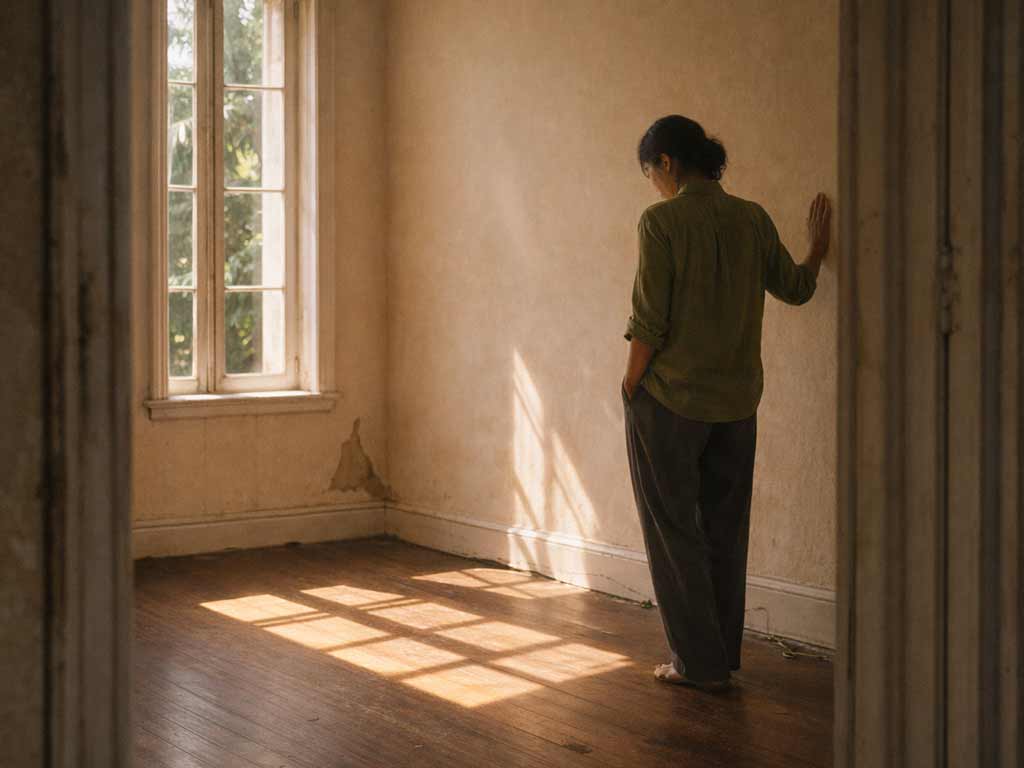
Photo by Curtis Adams on Pexels
You don’t notice it at first.
You’re standing in a room you don’t own yet, keys still a possibility, and your mind is already moving furniture that isn’t there. The sofa shifts against a wall. A table appears near a window. You imagine where you’ll sit when it rains.
This is the part people mistake for excitement.
It’s not. It’s projection.
A house doesn’t just hold your life. It begins to shape it long before you move in.
The rooms you think you want
There’s a certain kind of buyer who walks in looking for space. More square footage. Bigger kitchen. A second bathroom that feels like a marker of progress. The listing reads well. The photos are wide and bright. It all feels like an upgrade.
Then they move in.
And something shifts.
The extra room becomes storage. The large kitchen stays empty most evenings. The second bathroom is clean, unused, almost ceremonial. Space, it turns out, doesn’t automatically create life. It only makes room for the possibility of it.
People underestimate how much their habits are already fixed. You don’t become someone who hosts dinner because you now have a dining room. You either were that person already, or you weren’t.
The house reveals that truth very quickly.
The quiet pressure of small spaces
On the other end, there’s the smaller place. The one that doesn’t impress on paper. Maybe it’s tucked into a tight street. Maybe the ceiling sits just a little lower than you’d like. Maybe you feel it the moment you step inside, the sense that you’ll have to adjust.
And that’s exactly what happens.
Small spaces demand decisions.
You can’t accumulate endlessly. You can’t leave things unfinished. You notice clutter faster. You deal with it faster. You live closer to your own habits, whether you like them or not.
There’s a discipline that comes with it. Not the kind you announce to people. The quiet kind. The one that shows up in how you fold clothes, where you leave your shoes, how often you open a window just to change the air.
Some people thrive in that.
Others feel trapped by it.
It has less to do with the size of the space and more to do with how much friction you’re willing to live with.
Light changes everything
You don’t need to understand architecture to feel this. Walk into a room with soft morning light and stay there for ten minutes. Then walk into another with harsh overhead lighting and no windows. The difference isn’t subtle. Light is one of the few things that changes how you feel without asking permission.
People talk about location, price, layout. They rarely talk about how the light moves through a space during the day. Where it lands in the morning. Where it disappears in the afternoon.
You notice it once you live there. You notice it when you sit down with a cup of coffee and the light hits the table just right. You notice it when a room feels heavier than it should, even when everything is clean. There are homes that feel alive because of light alone. And others that never quite open up, no matter how much you rearrange them.
It’s one of the few things you can’t fix later.
The invisible lines you live within
Every home has boundaries. Not just walls, but invisible ones.
Where you tend to sit. Where you drop your keys. Which corner becomes yours without discussion. The space begins to map your behaviour, and over time, you stop questioning it.
In some homes, those patterns feel natural. You move easily. You don’t think about where to go or how to use the space. It just works. In others, there’s resistance.
You bump into things. You avoid certain areas. You never quite settle into a rhythm. It’s subtle, but it builds. A kind of low-level friction that follows you through your day. People often blame themselves for that. They think they need to organize better, plan better, live better.
Sometimes the space is just wrong.
Outdoor space isn’t just extra
There’s a certain type of space that doesn’t show well in photos. It doesn’t have the clean lines or staged perfection of interiors. It’s a bit rough around the edges. Plants growing where they want. A chair that’s been left out longer than intended.
A small outdoor area. A veranda. A patch of yard. People underestimate what this does.
It changes how often you step outside without leaving home. It changes how you experience weather. Rain becomes something you watch, not just something you avoid. Evenings stretch a little longer. You don’t need a large garden for this. You need just enough space to step out and feel like you’ve left the inside.
There’s a difference between being indoors all day and having the option not to be.
The illusion of “upgrading”
It’s easy to think in terms of moving up. Better area. Larger home. Newer finish.
And sometimes that works exactly as expected. Other times, the upgrade introduces new problems. Longer commutes. Less connection to neighbours. A space that feels more like something to maintain than something to live in.
The idea of “better” gets complicated once you’re inside it. There are people who quietly move back to smaller places after a few years. They don’t make a big announcement about it. They just adjust.
Less space. Less pressure. More alignment with how they actually live. It doesn’t always look like progress from the outside.
It often feels like relief from the inside.
You don’t adapt as much as you think
There’s a belief that you can get used to any space.
To a point, that’s true.
You adjust. You rearrange. You make small compromises that become habits. But there are limits. Certain things never quite settle. A room that always feels slightly off. A layout that never becomes intuitive.
You learn to live around it. And that has a cost.
Not a dramatic one. Nothing you can easily point to. Just a subtle drag on how your day unfolds. How you move, how you rest, how you think. The right space doesn’t require that kind of adjustment. It lets you be a little more of who you already are, without resistance.
What you’re really choosing
When you walk through a property, you’re not just evaluating walls and finishes. You’re stepping into a version of your future routine.
Where you’ll sit in the morning. Where you’ll put your phone at night. How often you’ll open a window. Whether you’ll feel like staying in or stepping out.
It’s easy to get distracted by what looks good. What matters more is what feels natural before you’ve had time to explain it to yourself.
That first instinct, the one you almost ignore, tends to be the most accurate.
Not because it’s emotional. Because it’s honest. And most people don’t give it enough weight.