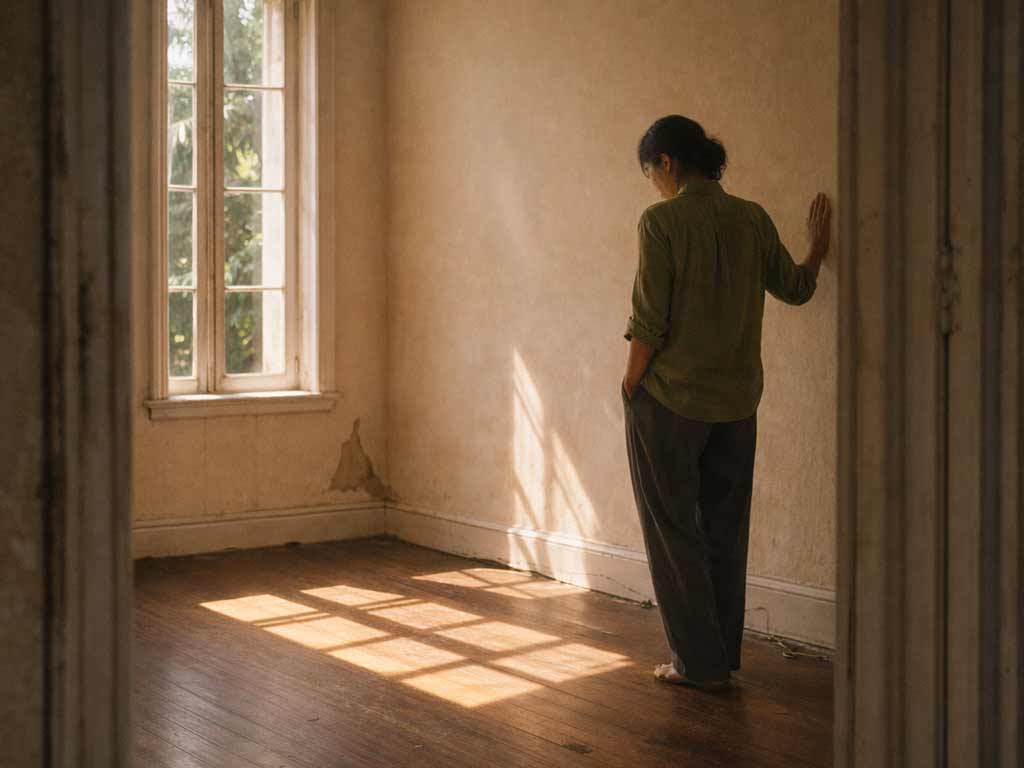
Good Morning
The boy passes me in the corridor and does not look up.
He is not being rude. I do not think so anyway. His head is tilted toward his phone, but even if it were not, I am not sure he would speak. He moves around me the way water moves around a stone. No resistance. No acknowledgment. Just the path of least effort.
I say good afternoon to his back. He is already three steps past. Maybe he hears me. Maybe he does not.
This happens enough now that I have stopped taking it personally. But I have not stopped noticing it.
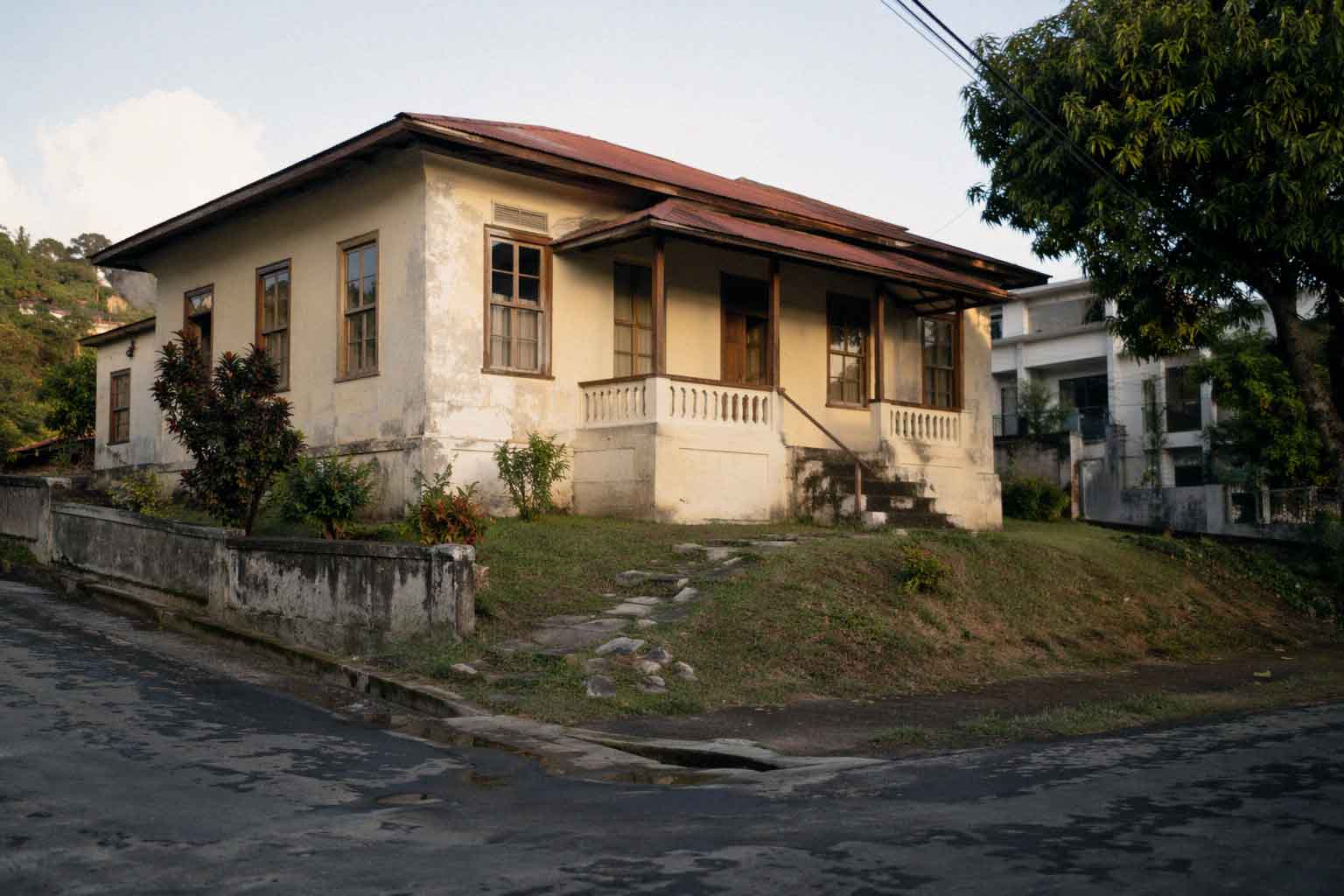
The morning starts the same way every day. I arrive at the school gate around seven. The security guard sits on a plastic chair under the almond tree. He looks up when he hears my car. I nod. He nods. Neither of us says anything, but the nod is enough. It says: I see you. It says: Morning. It says: Go ahead.
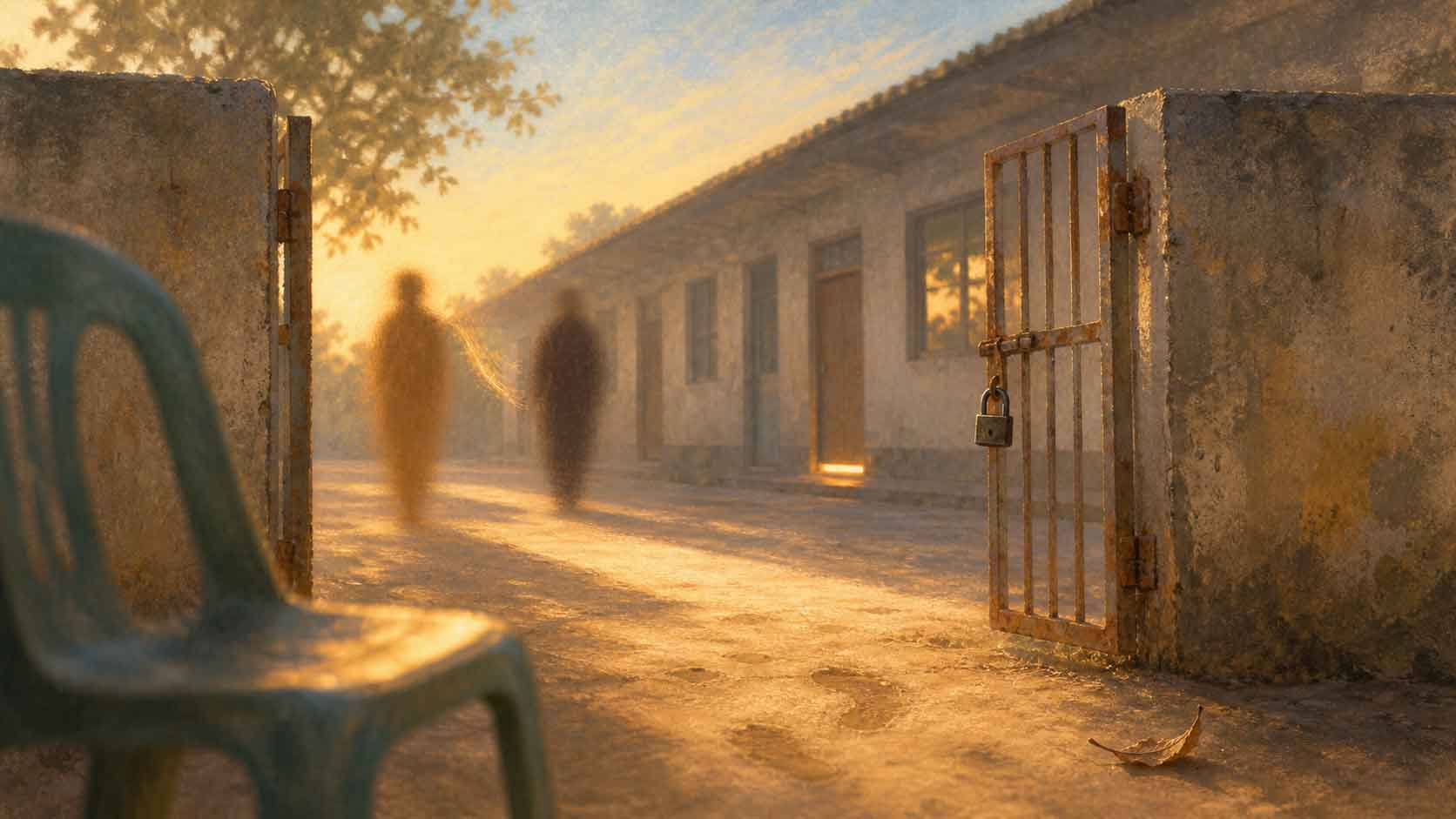
That is a greeting without a word. It works because we have done it a hundred times. The shape of it is already there.
Inside the gate, the walk to the staff room takes me past a row of classrooms. Some doors are open. Some are closed. A few students lean against the wall near the water cooler. They talk among themselves. Their voices are low, private. When I walk past, they do not stop talking. They do not start talking louder either. They just continue as if I am not there.
I used to say good morning to every cluster. Now I say it to the air and see who catches it.
Some do. A quiet voice from behind me: “Morning, sir.” I turn. A girl I have never taught, a Form One maybe, already looking down at her bag. She said it because she was taught to say it. Not because she knows me. Not because she expects anything back. Just because the ritual is still inside her, fresh enough to act without thinking.
That is the difference I am trying to name.
Not that young people are ruder now. I do not believe that. I have seen the same boy who passed me in silence hold a door open for a cleaner carrying a mop bucket. I have seen a student share lunch with someone who forgot theirs. The kindness is there.
But the greeting has become optional in a way it never was before.
When I was his age, you did not enter a room without speaking. You did not pass an adult on the street without lowering your eyes and saying something. Good morning. Good afternoon. Even just a quick “morning” with a tilt of the head. It was not about respect exactly. It was about acknowledgment. You were saying: I am here. You are here. We are sharing this space for a moment.
That acknowledgment greased everything. It made the next interaction easier. The person you greeted became someone you knew, even if you never learned their name.
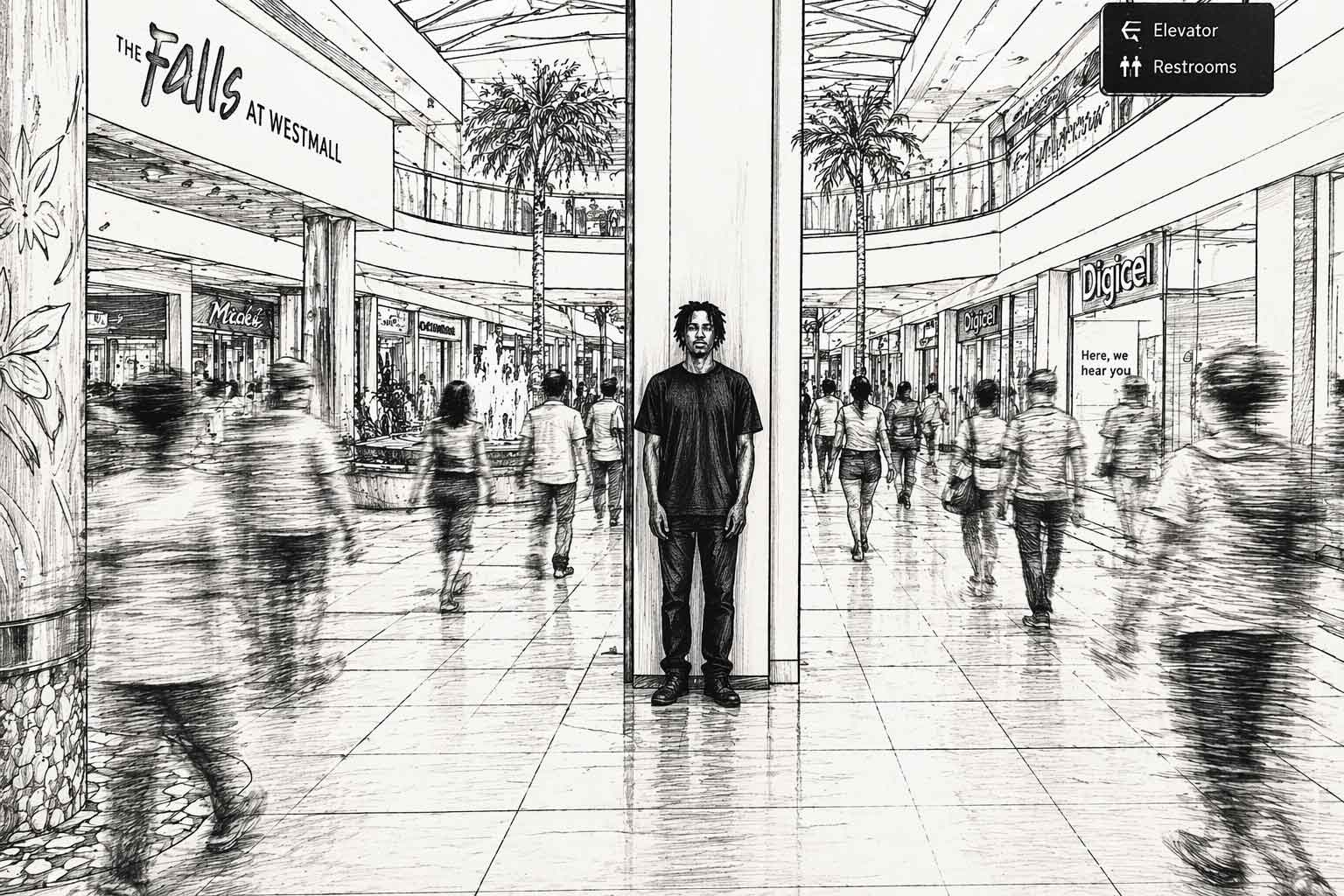
Now, I watch students move through the corridor like it is empty. They do not mean harm. They are simply used to moving through space without that pause.
The pause is what I miss.
A greeting forces a stop. A real one. You look up. You turn your head. You make a small sound that is not information, just presence. It takes maybe two seconds. But in those two seconds, you have agreed to be seen.
Without it, we are just bodies in a hallway. Efficient. Quiet. But somehow less safe.
I think about this when I pass someone on the street after school. A stranger. I do not know them. They do not know me. Years ago, I would have said good evening without thinking. Now I hesitate. Will they think I want something? Will they ignore me? Will they take it as a threat?
Silent passing has become normal. Even for me.
The boy who passed me this morning. I see him again in the afternoon. He is standing by the gate, waiting for his ride. I am walking past. He looks up. For a second, I thought he might speak. He does not. But he does not look away either. He just watches me walk past.
I nod at him. Just a small nod.
He nods back.
No words. But the shape is there. Maybe he is learning it. Maybe we all are, slower than we used to.