"Legacy & Land” Series – Chapter 1
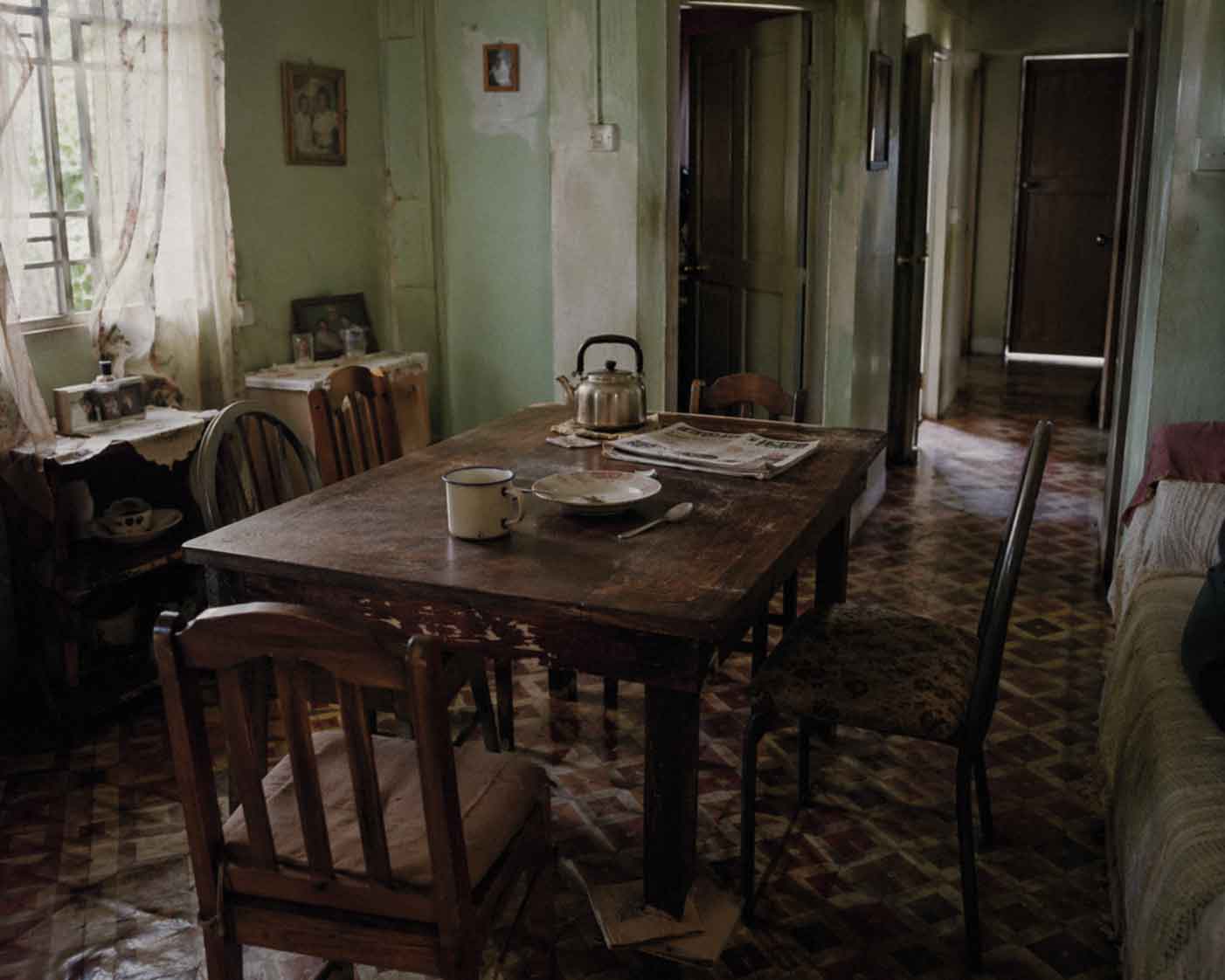
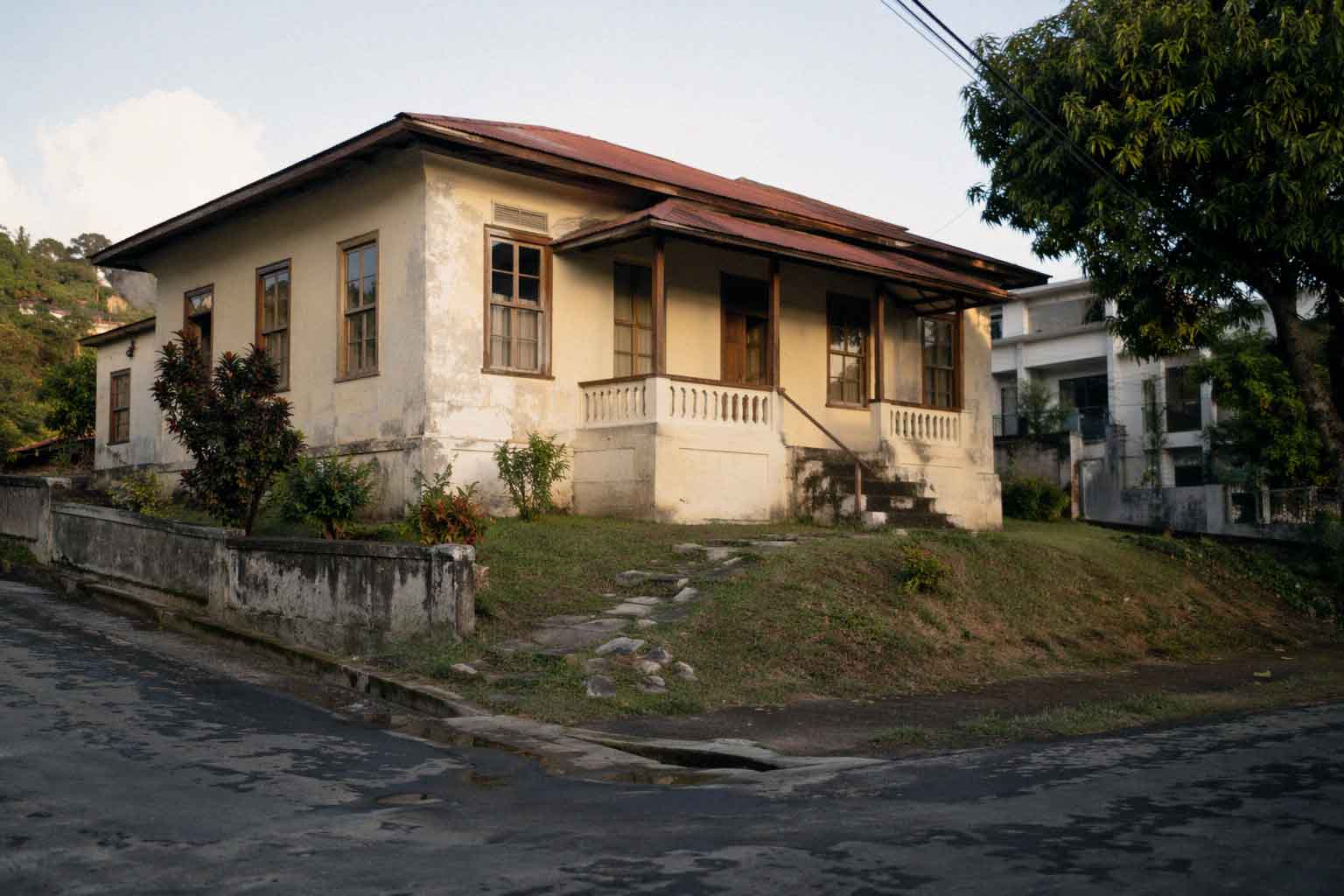
There is a house on a quiet stretch of road that no longer carries much traffic. The kind of road where the asphalt has been patched more than once, and the drains remember when rain used to move slower. The house sits a little higher than the road, not by accident. Someone had thought about water, about time, about what it means for something to stay.
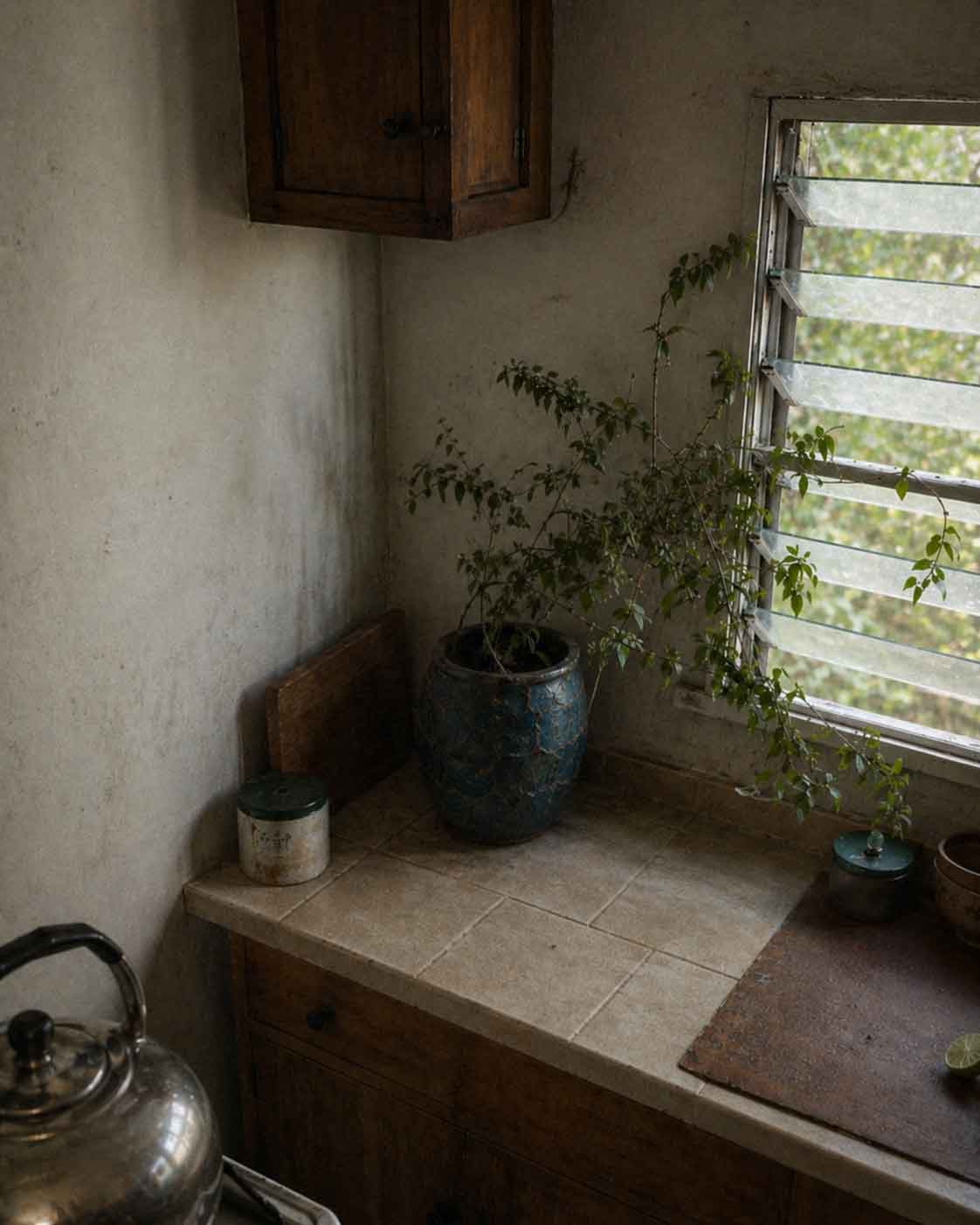
The walls are thick. Not decorative thick. The kind of thickness that keeps heat out without asking permission from a thermostat. If you press your hand against them, they feel settled, like they have already decidedthey are not going anywhere.
Inside, the ceiling is higher than it needs to be. Air moves differently in a room like that. There is a wardrobe in the corner that cannot leave without being taken apart. It has been painted more than once. You can see the earlier colours where the newer paint has worn thin around the edges.
No one remembers who built it, exactly. They remember a name, or a family, or a story about how the timber came from further inland. What they do remember is this: it was not built for resale.
It was built forward.
Not forward in the sense of progress or upgrade. Forward in the sense that someone stood on that piece of land and imagined a future that would continue after they were gone. Children who had not been born yet. Rooms that would be rearranged without asking the original builder. Repairs that would be made by hands that had never met his.
There is a quiet confidence in that kind of building. A refusal, almost, to think about leaving.
You can still find houses like this across parts of Trinidad if you look past the main roads. In places where land was not yet something to be maximised, but something to be held. Houses that seem slightly oversized for the people who live in them now, because they were never designed for just one moment in time.
They carry a different kind of weight. Not just in the materials, but in the expectation.
Stay.
That word sits in the beams, even if no one says it out loud.
At some point, that expectation shifted. Not suddenly. Not with a single policy or a single generation deciding to think differently. It happened in increments. A loan here. A subdivision there. A road that made a distant area feel closer. A valuation that turned a home into a number.
The house did not change overnight. The language around it did.
You start to hear different questions.
Not who will inherit this, but what is it worth.
Not how long can this last, but how soon can this appreciate.
The wardrobe becomes replaceable. The ceiling height becomes inefficient. The thickness of the walls becomes unnecessary. All the features that once signaled permanence begin to feel like excess.
There is another kind of house now. You see it in new developments that rise quickly and uniformly, where the roads are drawn before the foundations are poured. The houses are clean, precise, and strangely temporary even when they are brand new.
They are not poorly built. That is not the point.
They are built with movement in mind.
Rooms are sized for flexibility. Materials are chosen not just for cost, but for how easily they can be replaced, upgraded, or stripped back for the next owner. Even the colours feel like they are waiting for someone else’s taste.
Nothing insists on staying.
In parts of south Trinidad, you can watch this happen almost in real time. A piece of land that once held a single house is divided, then divided again. The original structure is either renovated beyond recognition or cleared entirely. In its place, two or three houses appear, each with its own gate, its own water tank, its own small calculation of value.
The idea of inheritance does not disappear. It just becomes less central.
There is a subtle difference between building something to pass down and building something to eventually sell. It changes how decisions are made, even when no one is consciously thinking about it.
If you expect your children to live in a house, you tolerate certain inconveniences. You build around them. You allow the house to develop quirks, to carry marks, to feel specific.
If you expect to exit, you smooth those edges out. You anticipate the preferences of a future buyer who will never know you. You make the house easier to leave than to keep.
Somewhere along the line, the house stopped outliving its owner and started outlasting its listing.
That shift has its own logic. Land is expensive. Opportunities move. Families spread out. It makes sense to treat a house as something that can be converted into something else when the time is right. Equity becomes a way to move forward, to fund the next step, to respond to a life that no longer stays in one place.
Still, something is lost in that translation, even if it is difficult to name.
Walk into an older home and you can feel where time has settled. Not in a nostalgic way. In a physical way. Doors that close with a certain weight. Floors that carry small irregularities. A window placed slightly off centre because it made sense for the breeze, not the symmetry.
These details do not announce themselves. They linger.
In newer spaces, the experience is cleaner. More controlled. Less resistant. You can rearrange, repaint, replace without much consequence. The house accommodates you, but it does not push back.
It is easier to live in, in some ways. Easier to leave, too.
The idea of home begins to thin out. Not disappear, just spread itself across more possibilities. Home becomes something you can recreate elsewhere, rather than something you are anchored to.
That flexibility is valuable. It allows for movement, for change, for a kind of freedom that earlier generations did not always have.
But it also raises a quiet question.
If a house is always preparing for its next owner, when does it fully belong to the current one?
There is no clean answer to that. People still build, still stay, still attach meaning to walls and rooms and small details that no valuation can capture. You can find modern houses that carry just as much life as the older ones, even if they were not designed with permanence in mind.
And yet, the difference remains.
One kind of house assumes you will leave eventually.
The other assumes you might not.
On that quiet road, the old house is still there. The paint will need attention again. The wardrobe will probably outlast another owner. The road may change, or it may not.
The house does not seem concerned either way. It was never built for an exit.
It is still waiting, in its own way, for someone who might decide to stay.