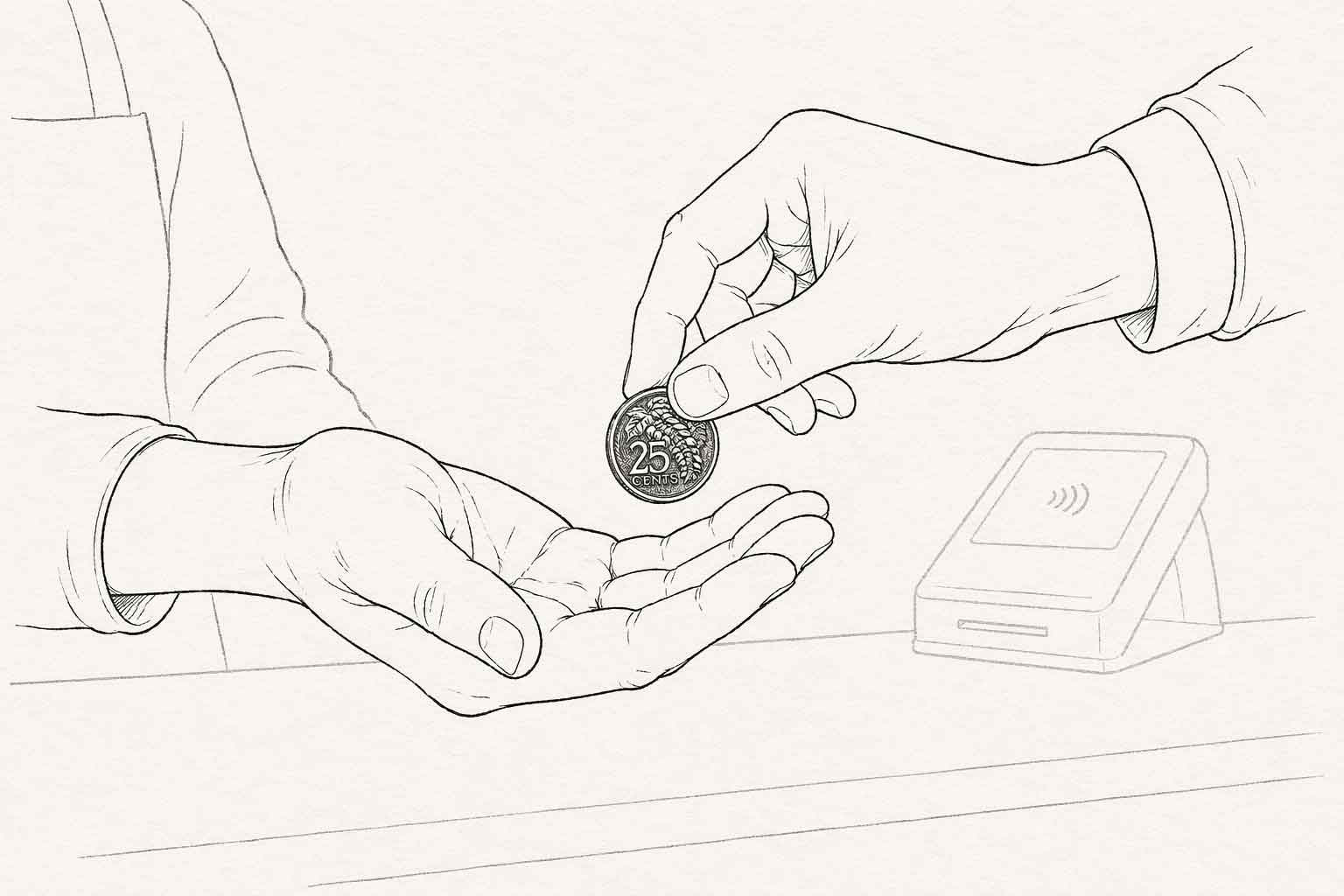
The book is free. Celebrating Trinidad & Tobago's Culture And The Arts By Nasser Khan. Download it if you want. That is not the point.
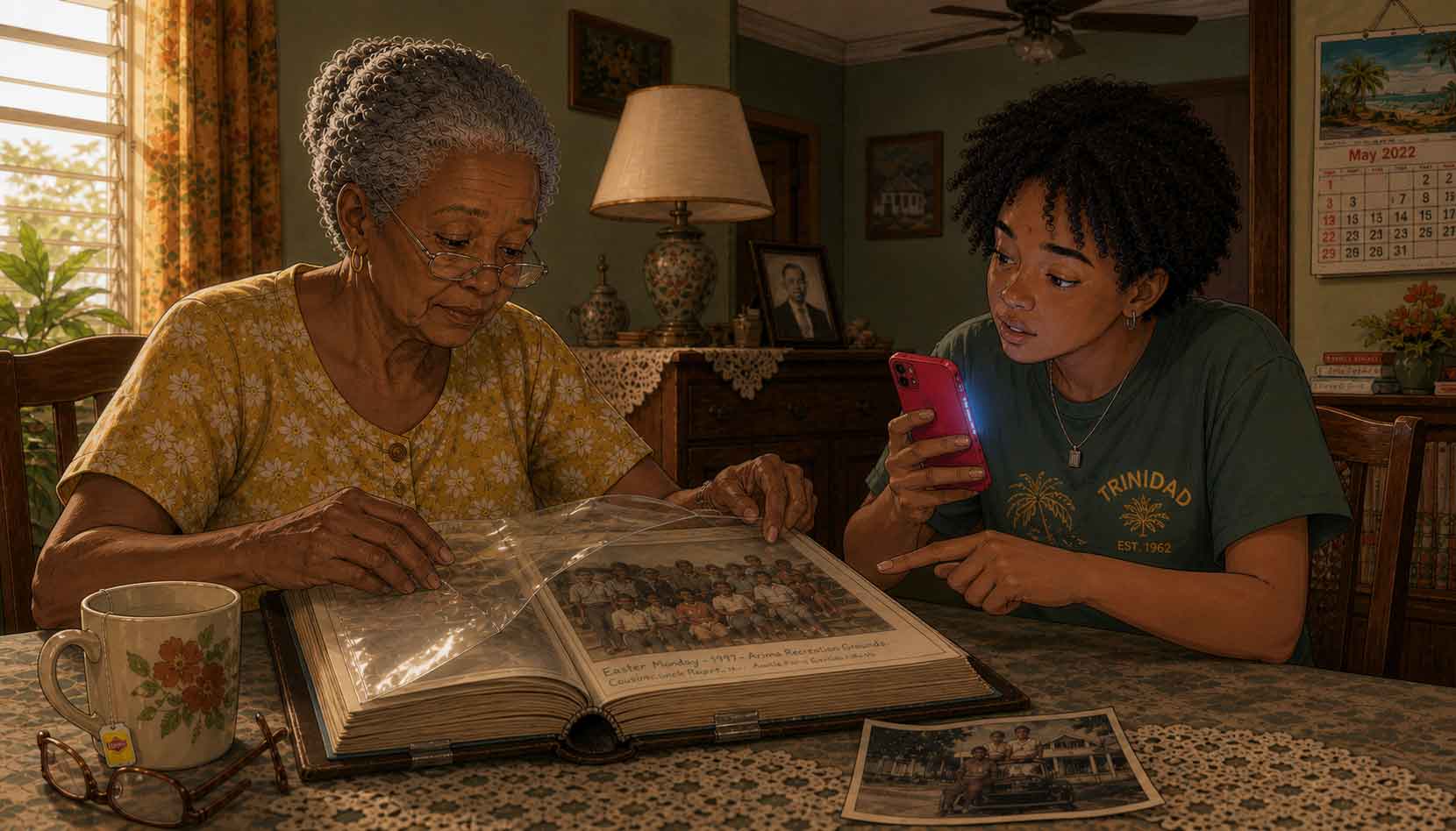
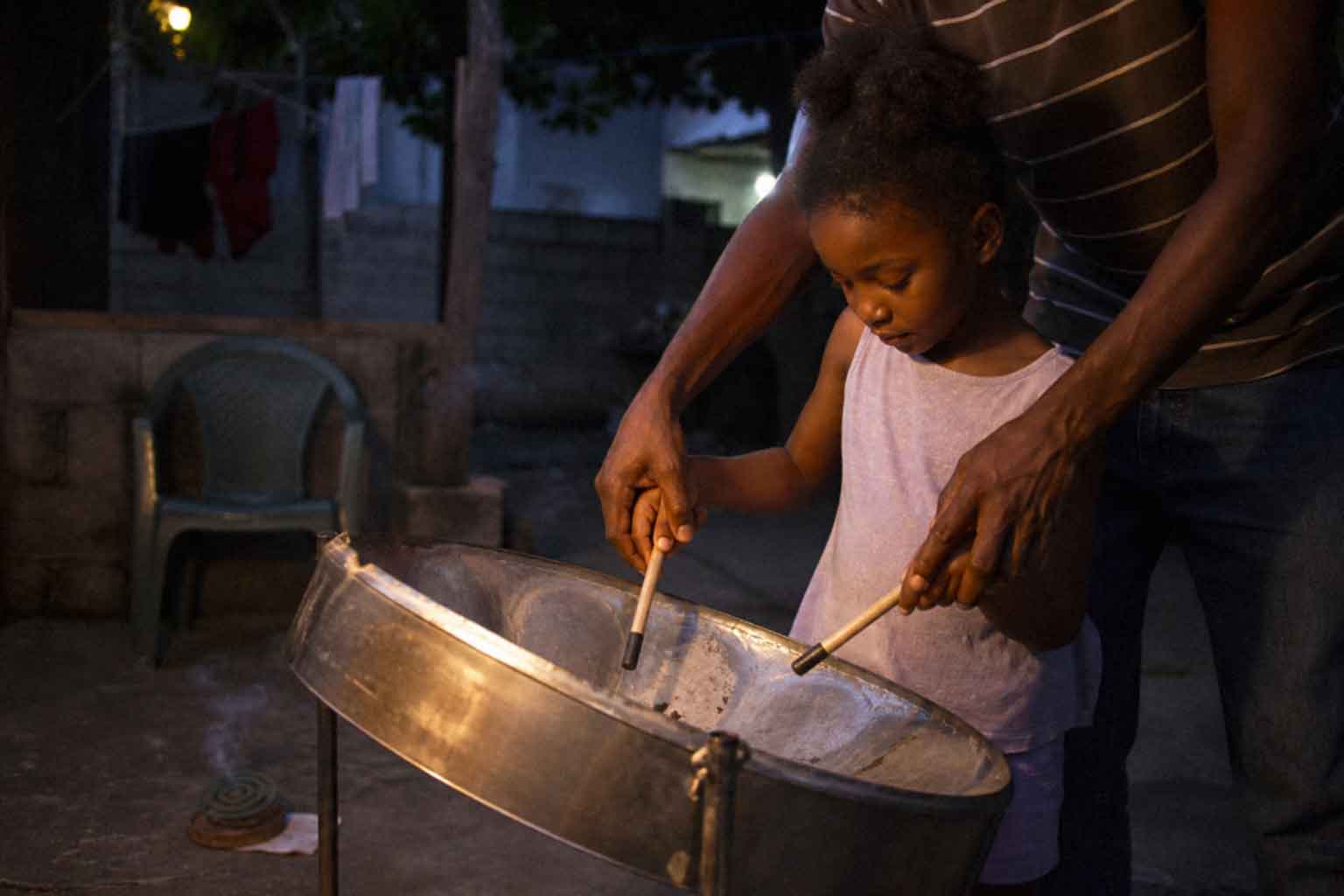
I grew up hearing that if something is written down, it becomes real. Official. Permanent. But I have also watched a man in his seventies teach a nine year old how to hold a pan stick. No book was involved. The girl learned by standing too close and getting her knuckles rapped gently. That is how traditions actually move.
So when I see a 336 page e book sponsored by the Ministry of Tourism, Culture and the Arts, I do not think preservation. I think selection. Someone decided what goes in and what stays out. Carnival is in. Steelpan is in. But what about the small village ritual that only twenty people remember? That does not make the index. That is not a slight against the author. Nasser Khan did something useful. He created a map. But a map is not the land.
The real question is this. Who gets to keep traditions alive?
Not the Ministry. Not the book. Not even the archivists. Traditions stay alive because someone decides to pass them down in person. The book can describe how to walk on stilts. The book cannot catch you when you fall. That is the difference between information and inheritance.
Here is something I believe plainly. A free e book is not a preservation strategy. It is a tool. A useful one, but a tool nonetheless. And tools only work when people already want to build something.
The students who read this book in school will not become culture bearers because they memorized a chapter. They will become culture bearers because someone takes them to a panyard on a Tuesday evening when nothing special is happening. The pan tuner is annoyed. The mosquitoes are out. And yet the sound drifts across the yard. That moment is not in the book. It cannot be.
I remember a small thing that stays with me. An old woman at a heritage event showing a child how to tie a ribbon on a costume. She did not explain the history. She did not mention any ministry. She just said, "Pull it tighter, yes, like that." The ribbon held. The child walked away wearing something she helped make. That is culture as practice. That is the thing itself.
The book exists because we are anxious. We feel traditions slipping. So we write them down. We digitize them. We call them heritage and put them in a link you can share. That is fine. But do not mistake the record for the event.
Read the book if you want. Learn the names of the Carnival characters. Understand the geography of the steelpan. That knowledge matters. But then put the book down and go find someone who still does the thing. Ask them to show you. And if they say no, ask again later. That persistence is what keeping traditions alive actually looks like.
The book will not teach you to love the culture. It will only tell you what you are supposed to love. And that is the hidden argument no one wants to say out loud. Official culture is not the same as living culture. One gets sponsored. The other gets practiced after work, in the heat, with no audience.
You already knew that. You just needed someone to say it plainly.