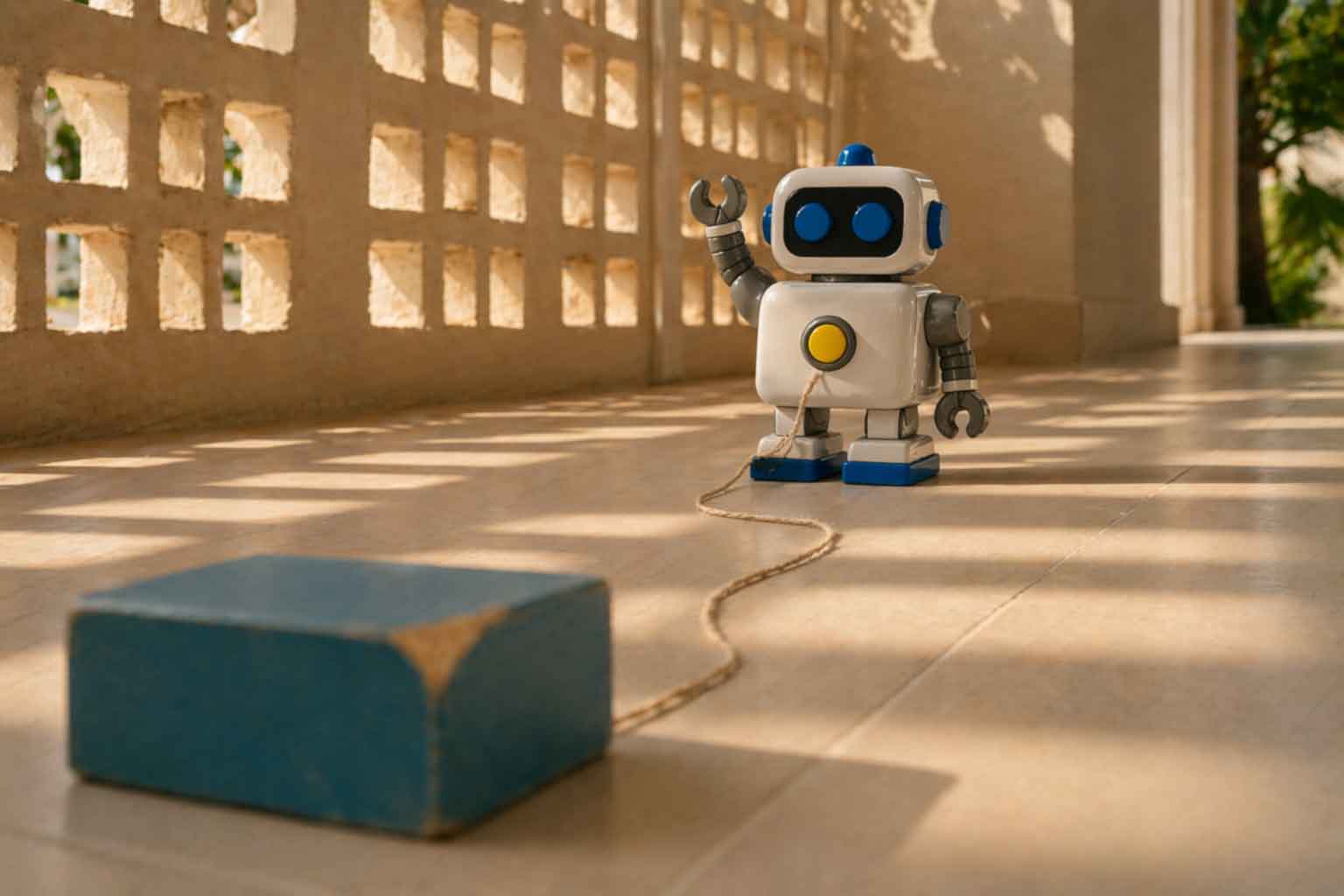
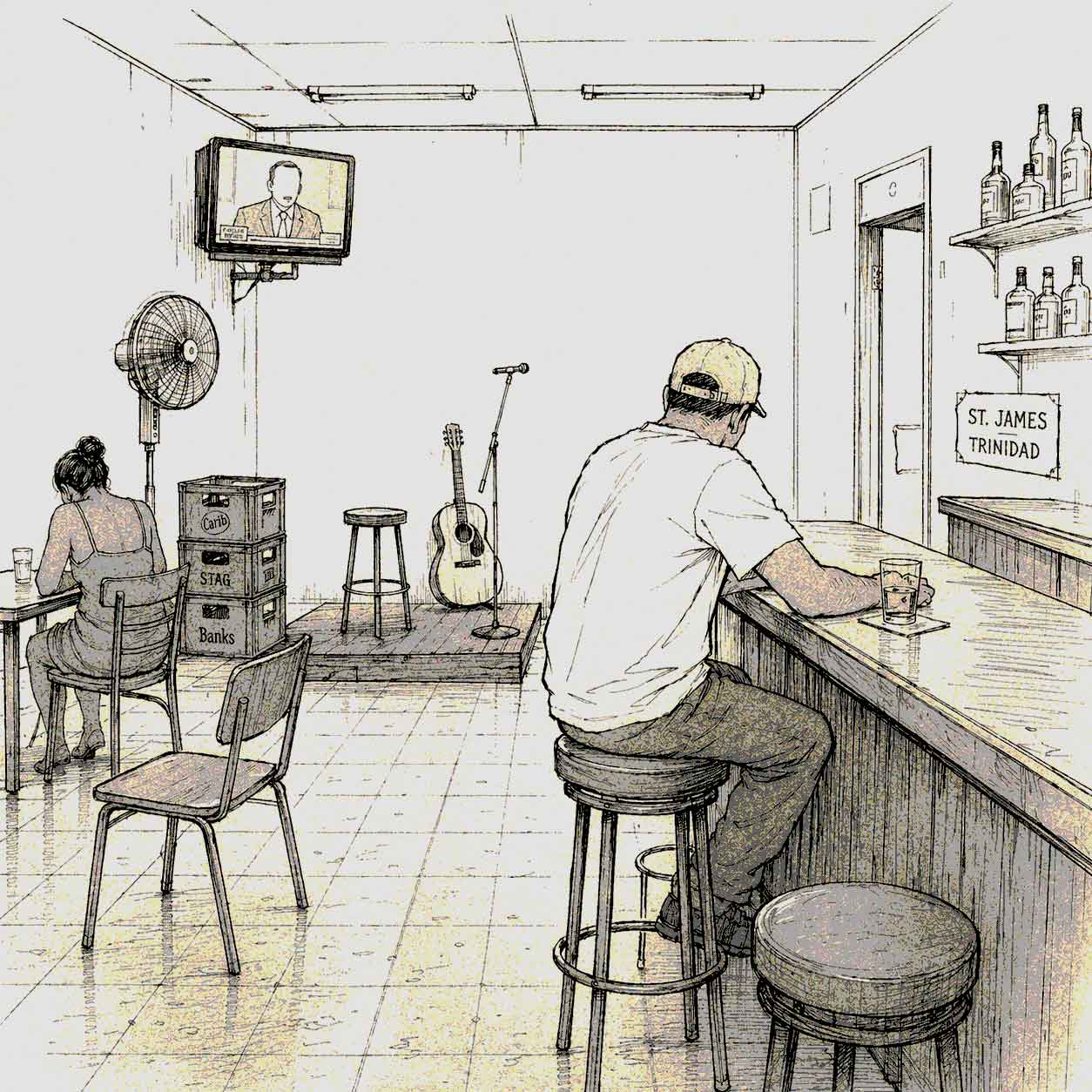
The woman at the counter doesn’t look up right away. She is counting change by hand, separating coins into neat stacks, lips moving slightly as she checks herself. There is a card machine sitting next to her, fully functional. No one is using it.
People still line up.
That choice is not about nostalgia. It is about trust.
We have spent the last decade trying to remove people from services. Self checkout lanes, automated calls, chatbots that promise instant answers. The logic is simple. Faster, cheaper, scalable. And yet, in small but consistent ways, people keep drifting back to human interaction. Not because they have to, but because they want to.
Human service is no longer the default. That is exactly why it has become more valuable.
When everything works perfectly, automation feels invisible. You tap, you go, you never think about it. But the moment something slips, a wrong charge, a missing item, a system error, the absence of a person becomes obvious. There is no one to read your expression, no one to understand that what you are asking is slightly different from what you are saying.
Machines handle transactions. People handle situations.
That difference is not technical. It is felt.
A barber who pauses before cutting because he notices the way you hesitate when describing what you want. A mechanic who listens to the sound of your engine and asks one extra question that saves you a larger problem. A cashier who quietly rounds down the total because you are short a few dollars and clearly embarrassed about it.
None of these actions are efficient. All of them are valuable.
Efficiency has been mistaken for quality. It is not the same thing.
Automation excels at consistency. Every interaction follows the same path, the same options, the same limitations. That predictability is useful, but it flattens experience. Human service introduces variation. It adjusts in real time. It notices what does not fit the script.
That ability cannot be replicated at scale without losing what makes it effective in the first place.
There is also a subtle shift in how people evaluate time. Saving a few seconds is no longer always the priority. Being understood is. A five minute interaction where someone listens properly can feel shorter than a thirty second automated exchange that goes nowhere.
People are not just buying outcomes. They are buying the process.
This is why certain services that rely heavily on human interaction are not disappearing. They are becoming more distinct. In some cases, more expensive. A good barber is no longer just cutting hair. He is offering attention, memory, continuity. He remembers how you looked last time. He remembers what you said about your job, your family, the small things you forgot you mentioned.
That memory has weight.
Automation cannot carry that kind of context without turning it into data, and once it becomes data, it loses the texture that made it meaningful. A system can recall your purchase history. It cannot understand why you made those choices in a particular moment.
There is a reason people still prefer speaking to a person when something matters. Not everything matters, but when it does, the difference is immediate.
This does not mean automation is failing. It is doing exactly what it was designed to do. It handles volume, repetition, and speed better than any human system could. The mistake is assuming that those qualities define value across all situations.
They do not.
As automation expands, human service becomes more intentional. It stands out more clearly. You notice it when someone takes a second longer than necessary, when they choose not to rush you, when they respond to something you did not explicitly say.
Those moments are small. They are also the point.
The future is not a choice between machines and people. It is a separation of roles. Automation will take what can be standardized. Human service will remain where judgment, attention, and care are required.
That boundary is already visible.
People are willing to pay for it. They are willing to wait for it. And when they find it, they tend to return, even when a faster option is right beside it.
The line at the counter is not an accident.