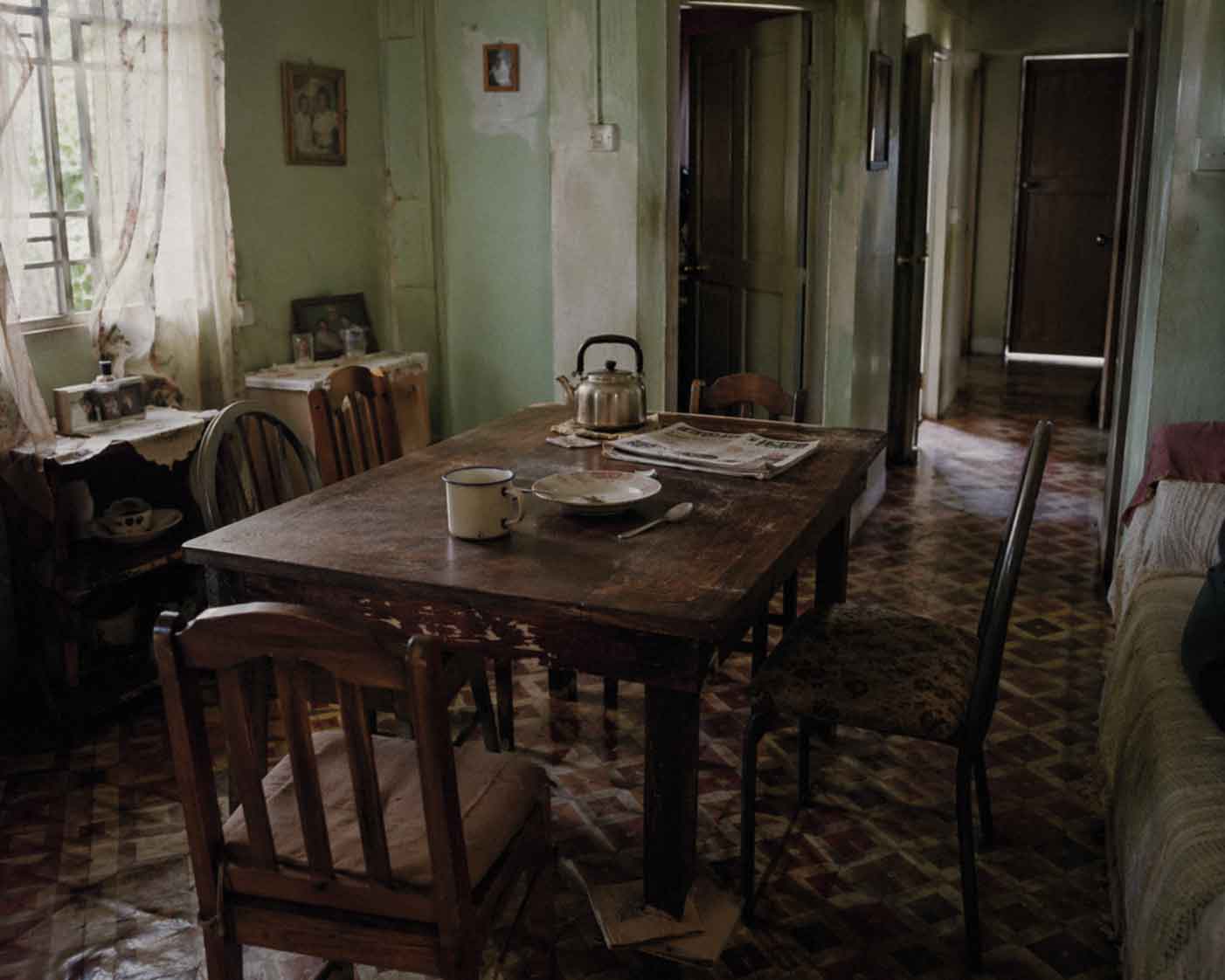
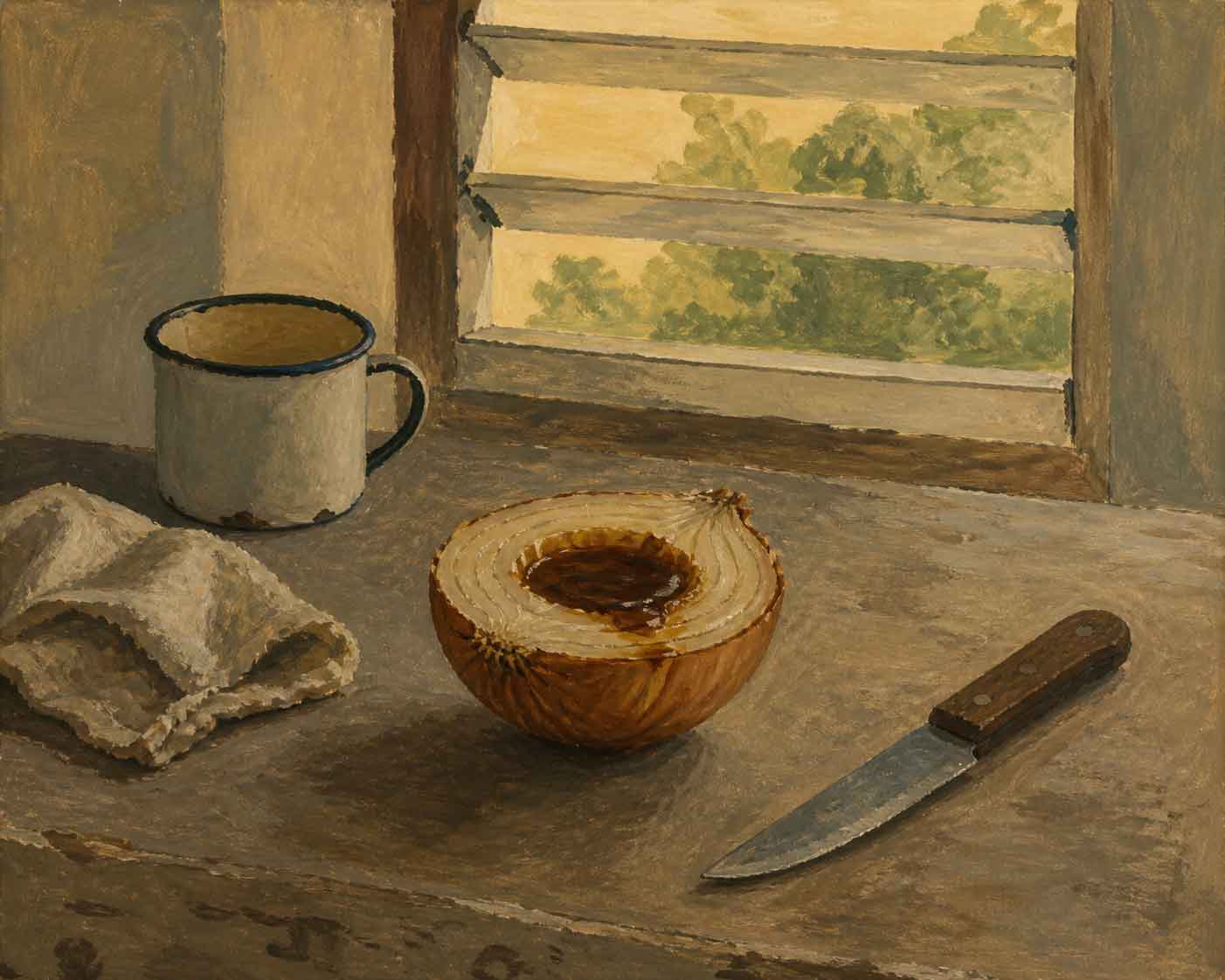
The onion sat on the kitchen counter, cut clean across the middle, a spoonful of brown sugar melting into its white rings. My grandmother did not explain the science. She just said it would draw out the cold. Hours later, you drank the sweet syrup that pooled in the onion's well. It tasted like medicine should. Unpleasant but honest.
Panadol came in a blister pack. One tablet, a glass of water, relief in twenty minutes. The onion took all night.
We have forgotten which one taught us something.
I think about this whenever I see another bottle of supplements. Mushroom powder from Oregon. Collagen peptides from Brazilian grass fed cows. A greens blend that costs more than a bag of groceries. The health industry has convinced us that wellness must be expensive, imported, and scientifically illegible. If you cannot pronounce the ingredients, it must work.
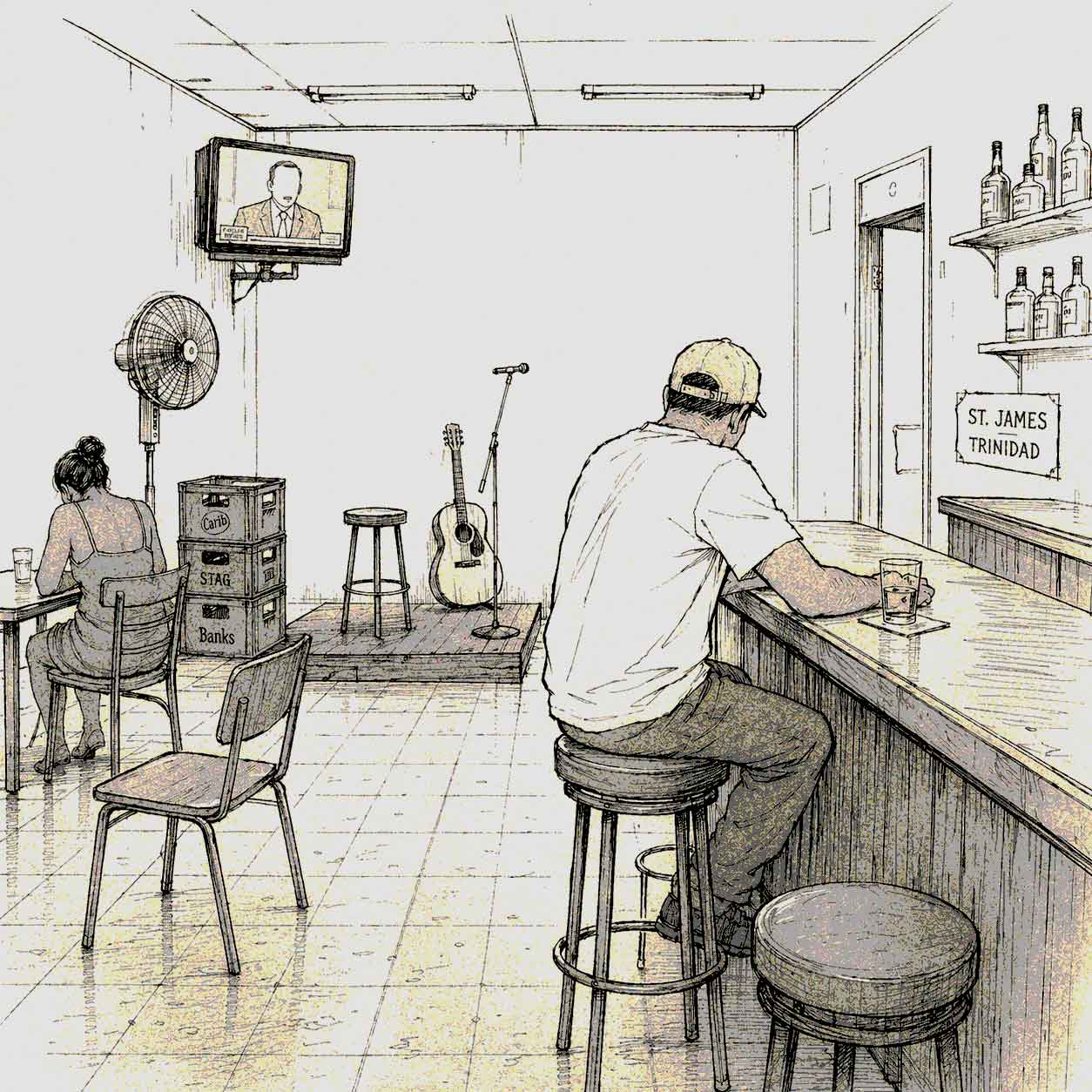
But the old people in Trinidad did not have Amazon subscriptions. They had the backyard. They had time. And they understood something that supplement companies would prefer you forget.
Most of what keeps you healthy costs nothing.
Take sunlight. My grandmother woke before the sun was fully up. She would stand on the back step, coffee in hand, face turned east. No sunscreen. No timing app. Just morning light on her skin. Now we wear blue light blocking glasses indoors and worry about vitamin D deficiency while sitting in air conditioned rooms all day. The sun is free. It has always been free. But we have built lives that avoid it.
Same with walking. The old people walked everywhere. Not for exercise. Not to hit ten thousand steps. Just because that was how you got from one place to another. You walked to the shop. You walked to the bus stop. You walked to your neighbor's house to borrow salt. Now we drive two minutes to the grocery and call it errands. Then we pay a gym to walk on a machine that goes nowhere.
There is a word for this. Unnecessary.
I remember my grandfather's hands. He worked in the yard every evening. Not lifting weights. Just digging, planting, pulling weeds, carrying buckets of water. He never owned a pair of dumbbells. He died at eighty seven with no back pain and a grip that could crush yours. The gym is a business. Movement used to just be life.
Then there is the matter of food. Not supplements. Food.
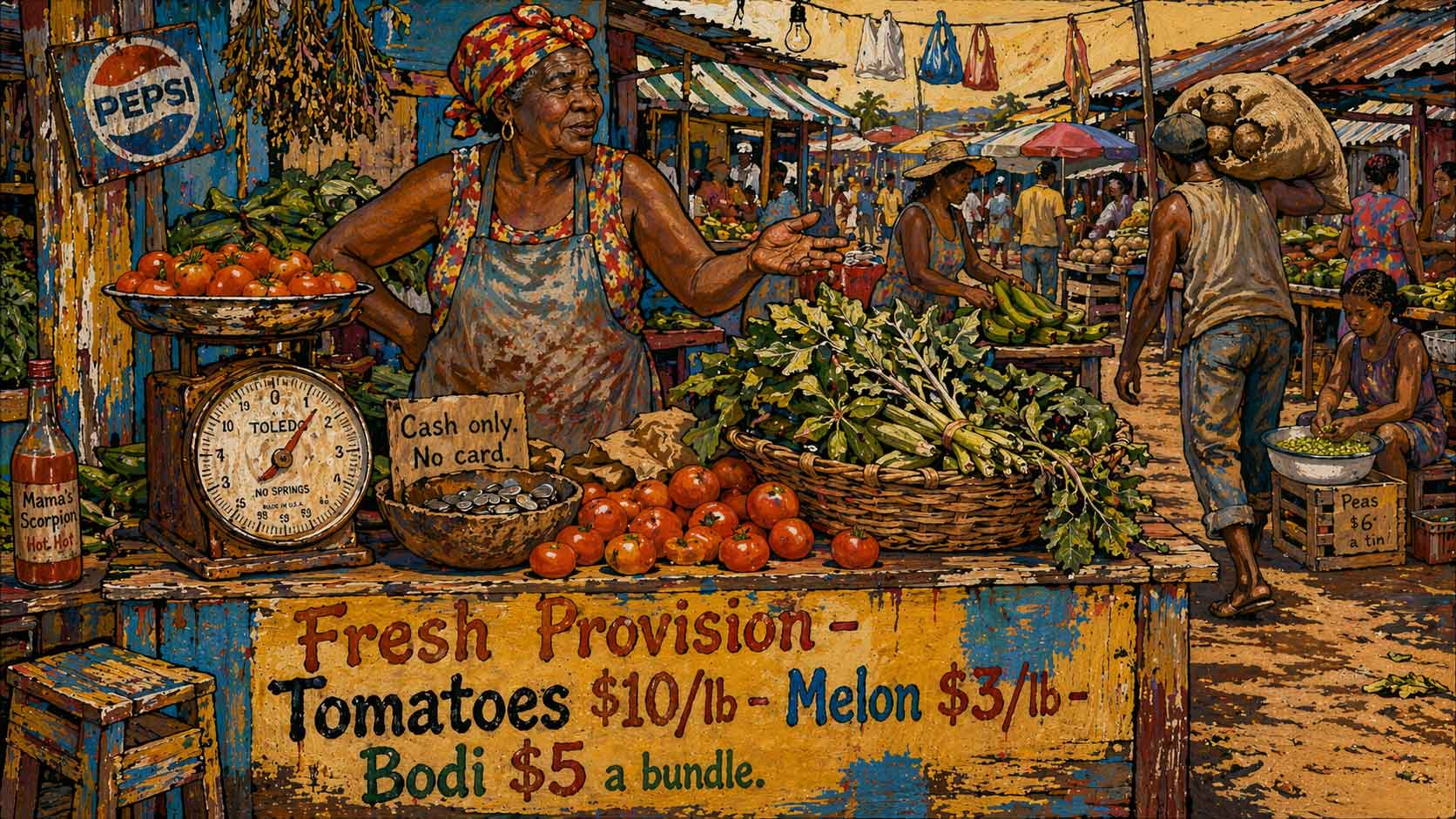
The old people ate simply. Provisions, ground provisions mostly. Dasheen, sweet potato, yam. Fish from the market, not frozen fillets in plastic. They drank bush tea from leaves they picked themselves. Cerasee. Lemongrass. Mango leaf. Bitter things that cleaned the blood, or so they said. Modern science has confirmed most of what grandmothers knew. But it is more profitable to put those plants in capsules and sell them to you.
A box of cerasee tea from the Indian shop costs two dollars. A bottle of liver detox supplement costs one hundred and fifty. They do the same thing. The difference is packaging and anxiety.
I am not saying the past was better. I am not saying you should refuse antibiotics or avoid a doctor. That would be foolish and dangerous. But I am saying we have traded participation for convenience. We have swapped knowledge for consumption. We no longer know how to treat a cut with turmeric and lime because we have antiseptic cream in a tube. The cream works. But the knowledge is leaving us anyway.
My grandmother did not own a single supplement bottle. She did not take protein powder or omega 3 capsules or adaptogenic mushrooms. She drank water from the tap. She ate when she was hungry. She slept when the sun went down. And she lived long enough to see her grandchildren have children.
We spend money because we are anxious. The anxiety says you are not doing enough. The supplement industry translates that anxiety into a purchase. You feel better immediately. Not because your health improved but because you did something. The feeling of doing something is not the same as actually doing something.
The onion did not make you feel like you were doing something. It made you feel like you were waiting. You put it on the counter and you waited. That waiting required patience. It required trust in something old and untested. The Panadol is faster. But faster is not always wiser.
I still cut an onion and sugar it when a cold comes. Partly because it works. Mostly because it reminds me that health was never meant to be bought. It was meant to be lived. Slowly. Bitterly. Without a barcode.
You do not need a greens powder. You need to eat a vegetable.
You do not need a red light panel. You need to stand in the morning sun.
You do not need a supplement for everything. You need to trust the things that have always worked.
They are still free. You just have to remember where to look.