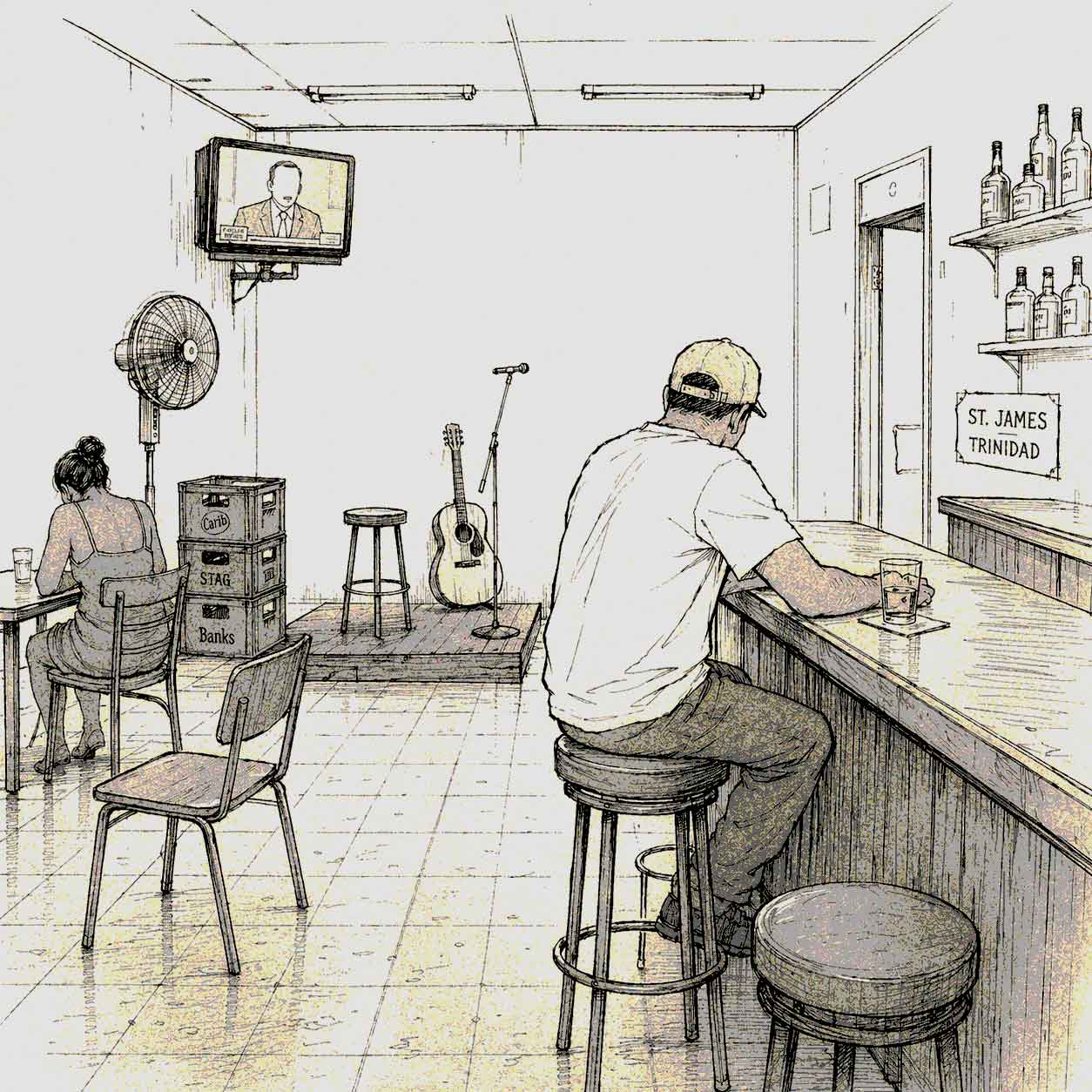
Let us say the cake seller gets her loan. The bank finally says yes. Five thousand dollars. She buys ingredients before prices move. She sells through. She pays it back.
Now, let us say she does it again. And again. The system starts to see her. Her transactions leave traces. Her patterns enter a database. She becomes legible.
No one warns her what she loses in that transaction.
Three things go missing immediately. Taxes. Flexibility. The ability to fail quietly.
The tax threshold is the first problem. Informal vendors do not operate without records because they are disorganized. They operate just below registration thresholds deliberately. There is a number. Stay under it and the tax authority does not look your way. Cross it and you appear on a list.
A five thousand dollar loan at 15 percent interest costs seven hundred fifty dollars. Manageable. But becoming legible does not start and end with the loan. Once the bank sees your income, the tax authority is usually six months behind. They do not ask about the future. They ask about the past three years. Back taxes on income that was never declared. Two thousand dollars. Maybe three. Plus quarterly filings. Plus an accountant if you cannot do the forms yourself.
The loan becomes a loss before the first payment is due.

The bank does not ask whether you can pay taxes. It asks for proof of income. Those are not the same question. Many rational vendors run the numbers and stay invisible. Not because they cannot repay a loan. Because the net benefit of becoming legible is negative after tax liability. The ladder has a rung that breaks under their weight.
Registration is the second problem. Formal finance treats a business license as neutral proof of existence. For a small vendor, registration is an address. An address can be inspected. An inspected business can be shut down. A market stall that moves between locations is not a sign of instability. It is a survival strategy. Rent is unaffordable. Sharing a commercial kitchen or operating from a residential address keeps costs low. Registration locks you to one place. The landlord sees you are registered and raises the rent. The vendor who was hiding from nothing now pays more for the same square feet.
A business license does not just prove existence. It proves vulnerability. Creditors find you. Regulators find you. Competitors look you up on a public register and see what you filed. The informal vendor is not hiding from the bank. She is hiding from everything that comes after the bank.
Traceability is the third problem. Tight knit markets run on opacity. Vendors accept late payments from each other. They trade favors. They share supplies without receipts. This works because nothing is tracked. A bag of flour changes hands on Wednesday. No money moves. Next week the debt reverses. No invoice. No record. Just trust.
Legibility breaks that system. Once transactions are digitally traced, the ability to say "I will pay you next week, no record" disappears. Relationships become transactions. The community's internal credit system does not survive the transition. A traced system looks at two stalls sharing flour and sees missing revenue. It does not see resilience. It would break that arrangement trying to optimize it.
Flexibility is the fourth loss. Right now a vendor can pay a supplier partially. Promise the rest on Friday. Add a small thank you at the end of the month. That negotiation happens in five seconds. Face to face. A loan schedule does not care that your best customer paid three days late because her child was sick. A formal ledger records a default. An informal relationship absorbs it. Becoming legible means trading responsive obligations for fixed ones. Fixed obligations are harder to survive during a bad week. The bank asks for predictability. Survival requires flexibility. These are not the same thing.
Not everyone loses equally. Women vendors make up a disproportionate share of informal economies. They also face higher barriers to formal registration. Land titles. ID documents. Male co signer requirements in some contexts. Legibility requirements do not fix these gaps. They reproduce them. A migrant vendor without legal residency cannot register a business at all. Legibility is not a tradeoff for her. It is a door that does not open.
A vendor making ten thousand dollars a month might gain from formal credit. A vendor making five hundred dollars a month loses. The loan is too small to justify compliance. The original article promised that the cake seller gets her five thousand. That only helps vendors above a certain size. Below that line, the math still says no.
So here is the trade. You gain a loan. A credit history. The ability to buy inventory before prices rise. Formal recognition. You lose the option to remain invisible. The ability to say "no, I do not have records" instead of "yes, here are my weaknesses." The flexibility to fail quietly and try again.
Legibility is a one way door. Once you are in the system, leaving is nearly impossible. Data does not retire. Patterns do not get forgotten.
The original piece asked why the bank would not lend to her. The harder question is whether she should want that yes in the first place. Not because she cannot handle a loan. Because the system that finally sees her does not stop at her bank balance. It keeps looking. And what it finds, it does not forget.