The problem with having too much.
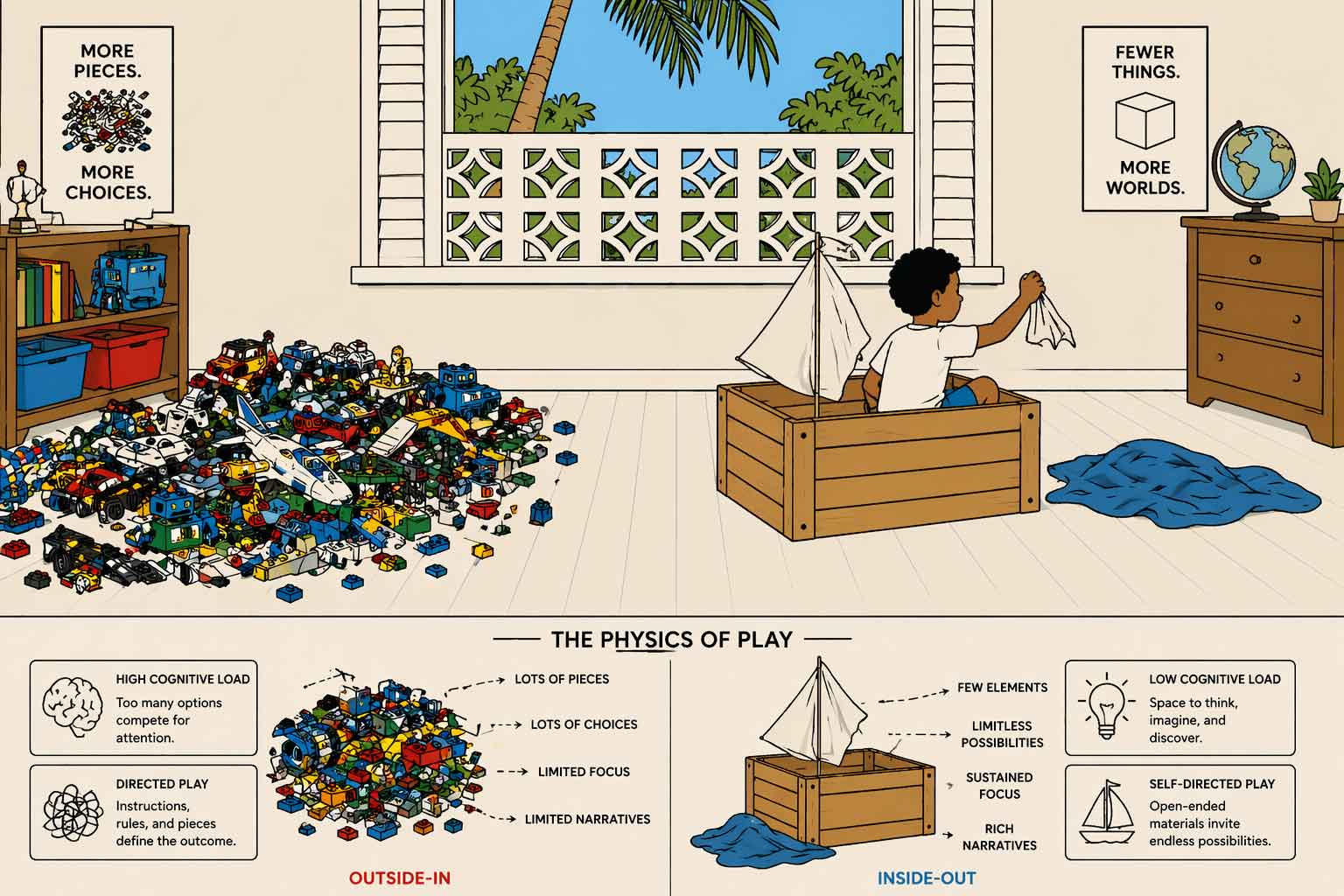
Watch a child open a birthday present in 2025. Within an hour the toy is on the floor. Within a week it is in a drawer. The child is not ungrateful. The child has learned that replacements arrive constantly.
People used to own fewer things and care about them more. That is not nostalgia. It is a material fact about how scarcity shapes attention.
A child with one good football remembers the stitching. A family with one television negotiates what gets watched. A person who owns two pairs of school shoes notices when the sole separates near the toe. Scarcity forces intimacy between people and the objects they depend on.

Abundance changes that relationship. Not always for the worse. But definitely for the shallower.
Consider the video game. A child in the early 2000s might own three games for an entire year. Those games became worlds. You knew every hidden level, every soundtrack cue, every glitch. Friends came over to watch someone else play because nothing else competed for attention in the room.
Now entertainment arrives in endless quantities and disappears just as fast. Children swipe past entire libraries while claiming there is nothing to watch.
Here is what the modern consumer economy does not want you to realize. Attachment is inefficiency. Convenience solved real problems. It also flattened the emotional experiences that only existed because access was limited.
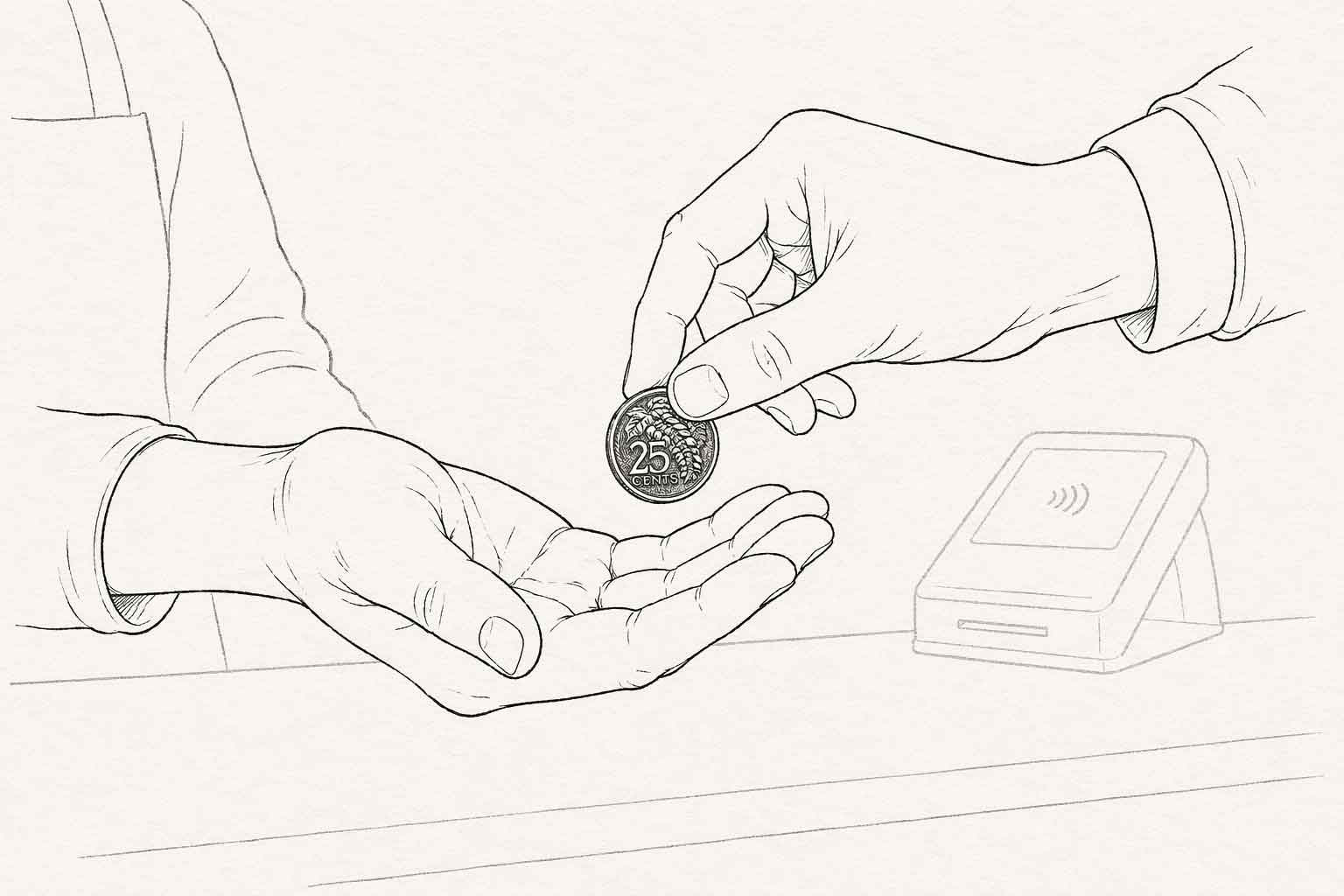
Food is the clearest example. There was a time when KFC came after exam results. Pizza was for birthdays. A bottle of cream soda might sit untouched in the fridge until Christmas lunch. Treats carried weight because they interrupted normal life.
Now indulgence runs on tap. Food delivery apps turn craving into routine administration. The modern version of a treat arrives in a stapled brown bag while somebody answers emails over the lid. People still enjoy the food. What disappears is anticipation.
Anticipation matters more than consumer culture admits. Waiting deepens experience. Limitation sharpens attention. Repetition builds attachment.
This is why older people remember tiny details from materially difficult periods. The smell of a freshly covered schoolbook. The sound of a VCR tape rewinding late at night. The way one good shirt hung separately from everyday clothes. Scarcity magnified ordinary objects.
That does not make hardship beautiful. Being unable to afford things is stressful. Financial insecurity damages people. But it is possible to recognize that abundance comes with psychological trade offs.
One of them is weakened communal life. Scarcity forced shared experiences. Families watched the same television because there was only one. Neighbors borrowed ingredients because shops were closed or money was tight. Music spread socially. Someone bought a CD and ten other people heard it through them.
Now everybody lives inside personalized abundance. Personal screens. Personal algorithms. Personal playlists. Personal feeds. More choice, fewer shared cultural moments.
Even boredom has disappeared. People once sat with it. They stared through car windows. They waited in banks without touching anything. Minds wandered because there was nothing immediately available to interrupt silence. Now the smallest pause gets filled instantly. Phones have absorbed every idle moment that scarcity once protected.
The emotional cycle never finishes because the next thing arrives too quickly. More access does not automatically produce more meaning. That is the mistake underneath a lot of modern consumption. Satisfaction does not scale with availability. Unlimited access can dilute value so thoroughly that people stop forming durable attachments altogether.
The irony is that people now spend enormous amounts of money trying to recreate the emotional intensity that scarcity once produced naturally. Limited edition products. Vinyl records. Digital detox retreats. Exclusive drops. Curated experiences designed to feel rare.
Artificial scarcity has become a luxury product because genuine abundance often feels emotionally weightless.
People are not actually craving less. They are craving significance. And significance requires limits.