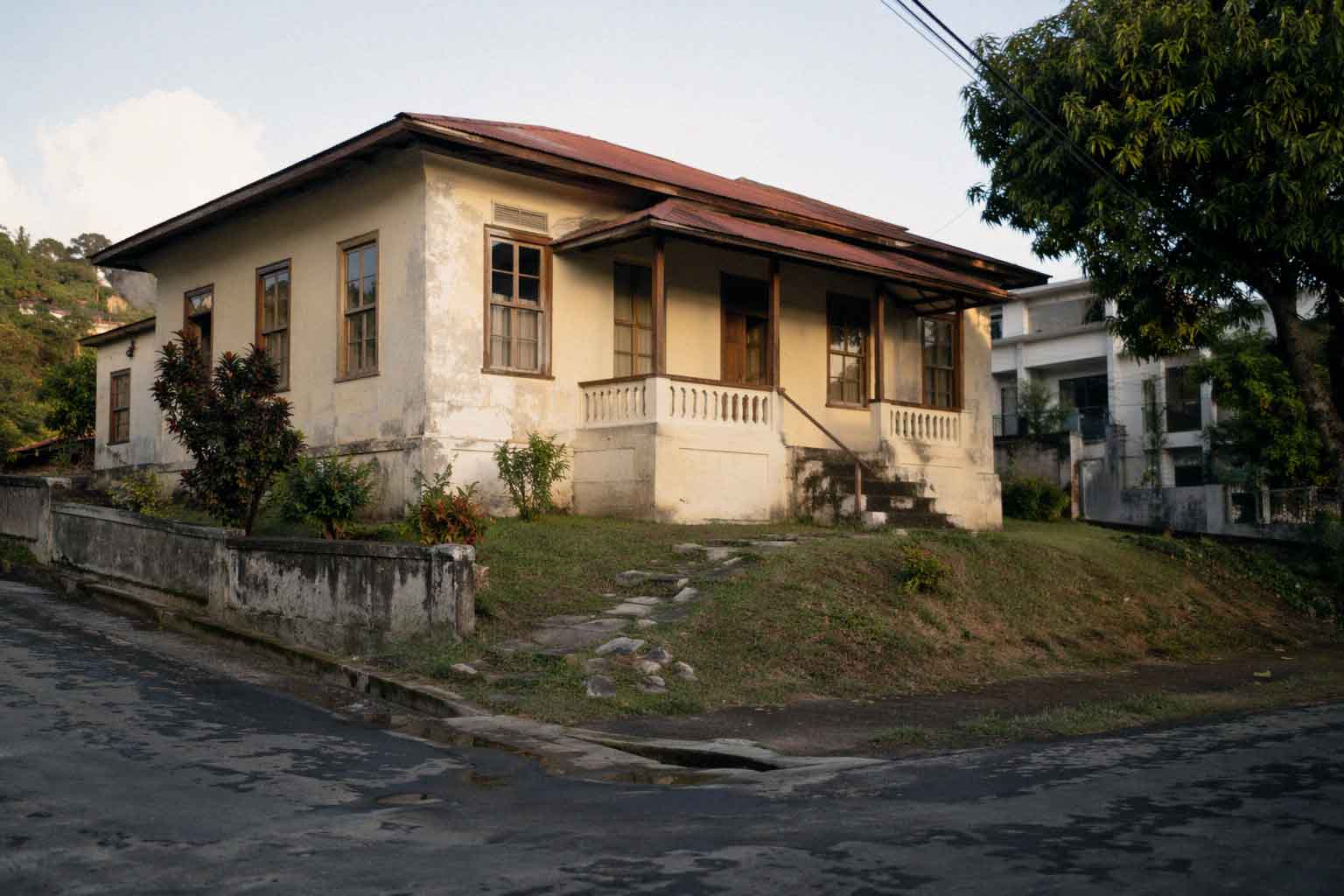
The plate is warm before it reaches the table.
Not hot. Not straight off the stove. Just that middle warmth that tells you it has been sitting for a minute, waiting for the rest to catch up. Rice and peas already settled into itself. The gravy soaking in, darkening the edges.
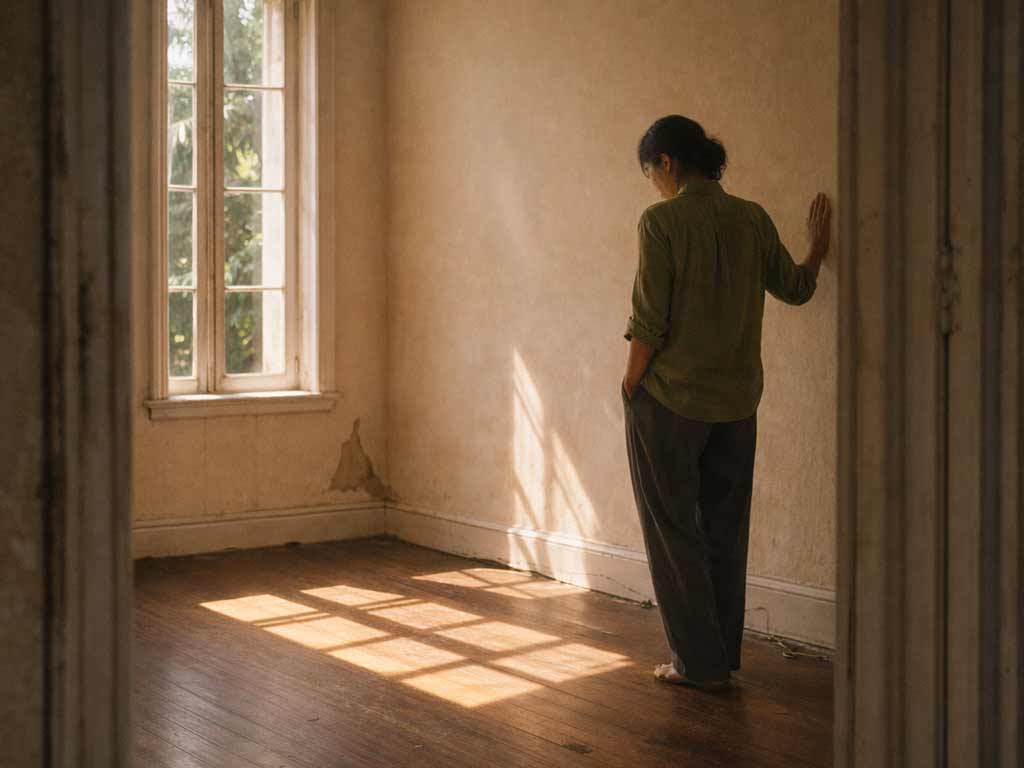
I am standing in a kitchen that feels too quiet for a Sunday.
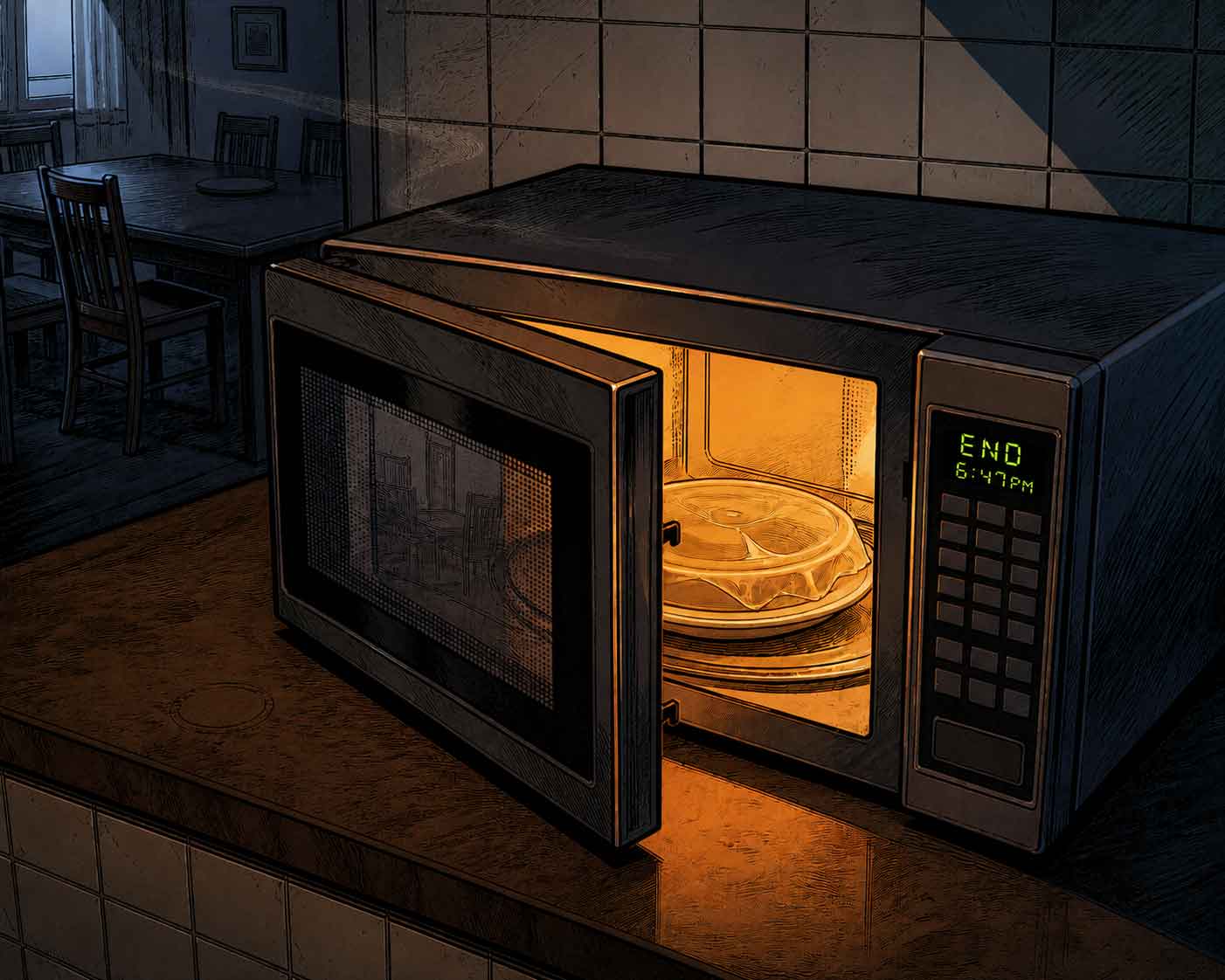
One plate is on the counter. Another in the microwave, door half closed, light still on. Someone passed through here already. You can tell by the spoon in the sink with a line of sauce drying along the curve. No rush. No urgency. Just movement, then absence.
My phone buzzes once. Someone asking if I got the thing I ordered. I do not answer.
I open the microwave. The plate inside is covered with a plastic lid that has warped slightly from heat over time. When I lift it, steam escapes in a quick, soft breath. It smells right. Coconut, thyme, a bit of pepper catching at the back of the nose.
But there is no sound of anything else.
No pot lid rattling. No cupboard opening and closing. No voice calling from the other room asking if the rice done yet. Just the low hum of the fridge and something faint from a television in a bedroom down the hallway.
I take the plate and sit at the table.
The chair across from me is empty, pushed in properly. Nobody left in a hurry. It just was not needed.
I start to eat.
A fork against enamel makes a small, lonely sound. It does not carry far.
You could hear Sunday before you saw it.
The pressure cooker letting off a steady hiss that settled into the background like breathing. Oil cracking in a pan when the chicken hit. A spoon knocking the side of a pot in a rhythm that did not need thinking.
Voices moving in and out of the kitchen without stopping.
“You put the pepper in already? Lawrence don’t like when it catch late.”
“Check if the peas soft.”
“Move from the stove nah, you blocking the light.”
Somebody laughing at something that was not even that funny. The floor under the table already had a few grains of rice by mid afternoon. Someone would step on them later, barefoot, and not bother to sweep.
Outside, the sound of a gate opening and closing. Somebody arriving early. Somebody who did not need to knock.
Inside, there was always one chair that nobody took until later. It stayed there, slightly angled away from the table, waiting. You knew who it was for without asking.
Food did not come out as plates. It arrived as decisions.
How much rice you taking.
Which piece you going for.
If you bold enough to reach for the back before the older ones serve themselves.
“Take one piece first, let everybody get.”
No speech. Just a quiet correction if you moved too fast.
If you came late, your plate waited, but you knew you had missed something. Not the food. The moment when everything was full and loud and nobody checking the time.
After a while, the room would settle into a different kind of sound. Slower. Forks scraping. Glasses touching the table. A chair shifting back as somebody leaned into a story they had told before but still wanted to tell again.
And then, just as naturally, it would thin out.
Plates stacking in the sink. Water running. Somebody drying with a towel that left a bit of lint behind if you looked close enough.
The house stretching itself into quiet.
Fan turning overhead.
A newspaper open on somebody's chest, rising and falling.
Now, the same food meets you differently.
Rice and peas still tastes like rice and peas. Fried chicken still crisp at the edges. Plantain still sweet enough to soften the salt.
But you eat when you ready.
Somebody else already ate earlier. Somebody else will eat later. The pot is there, or the container in the fridge, and you move through it at your own pace.
“Food in the kitchen,” somebody might say, not even looking up.
You take. You heat. You sit.
Maybe in front of a screen. Maybe at the table. Maybe standing by the counter because you not that hungry, just peckish.
But the table does not fill the same way.
No small negotiation over the last piece.
No watching to see who going take seconds.
No moment where everybody reaches for the same thing at once and laughs because of it.
Even the washing up has changed shape. One plate at a time. No buildup. No rhythm of water and clatter and passing.
The sink stays mostly empty.
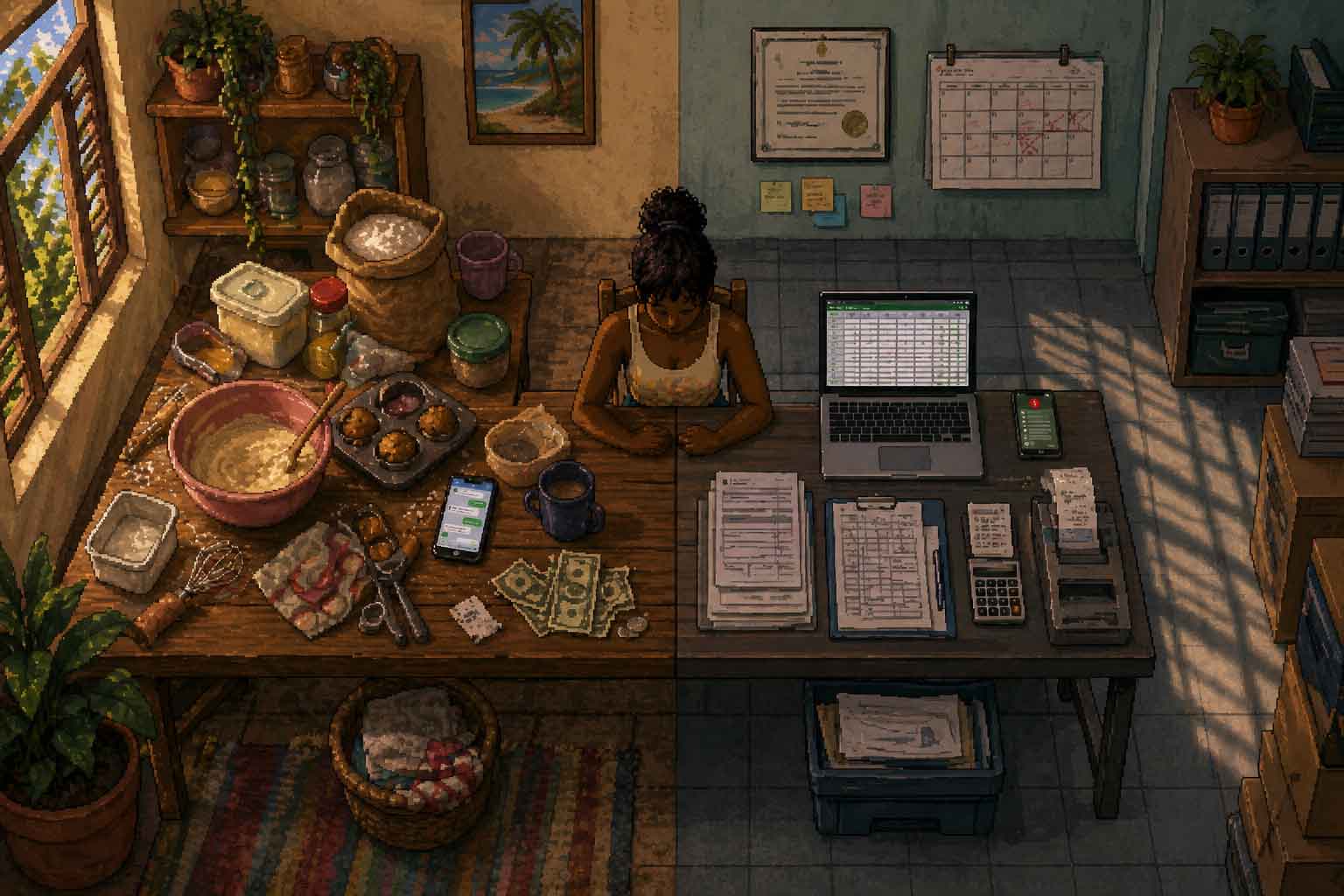
Nobody tied to the stove all morning. Nobody measuring time by how long peas take to soften. You can step out. You can order in. You can decide at one o'clock that you not even in the mood for rice today.
Still, sometimes, you notice what is not being asked of you.
No one watching if you take too much.
No one telling you wait.
No one expecting you to sit until everybody done.
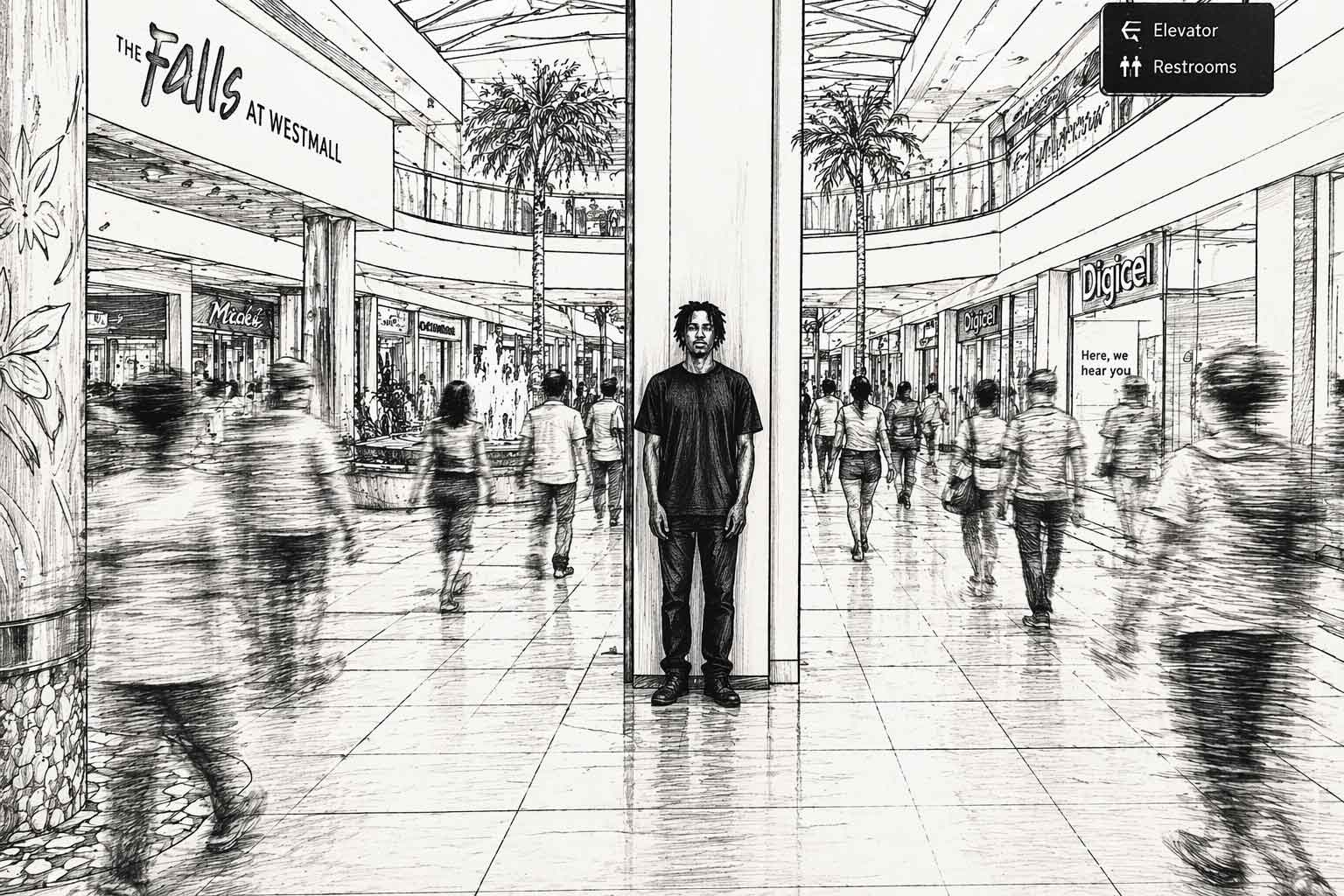
You could finish your food and leave the table without anybody marking it.
And sometimes you do.
Sometimes you carry the plate to the sink, rinse it, set it to dry, and the house does not shift at all.
No pause.
No one saying, "Sit down nah, we just start talking."
Just the same quiet holding its place.
The chair across from you stays pushed in.
Later, someone will open the microwave again. A new plate, a different hour. The turntable will spin alone, light circling inside, warming what was already cooked hours ago.